How to Choose Image Intensification Night Vision in 2026?

Choosing Image Intensification Night Vision in 2026 requires more than comparing resolution numbers. Real performance depends on darkness, weather, movement, and your intended use. A device that looks impressive indoors may struggle under a cloudy sky. That difference becomes obvious during a quiet evening walk, when fine branches blend into a black background.

This guide explains the practical features that deserve careful attention. We will examine image clarity, gain control, battery life, ergonomics, optical quality, and sensor compatibility. We will also consider trusted manufacturers, documented testing, warranty support, and responsible purchasing. Independent reviews can help, but personal testing remains valuable. Short demonstrations rarely reveal long-term comfort or reliability.

Your legal responsibilities matter as well. Use night vision only for lawful activities, such as property observation, wildlife study, or professional work with proper authorization. Privacy rules may differ between regions. Check local requirements before operating or importing equipment. Avoid assuming that expensive equipment automatically provides better judgment. It does not. The user still controls identification, distance, and decision-making.

Some recommendations may remain imperfect. Specifications can hide trade-offs. Higher magnification may narrow your field of view, while stronger illumination can reveal your position or disturb animals. I have found that comfortable controls often matter more than a small resolution gain. That lesson is easy to overlook. The right choice should fit your environment, experience, budget, and ethical responsibilities. Clear priorities will make the 2026 market easier to navigate.
How to Choose Image Intensification Night Vision in 2026?

What Image Intensification Night Vision Means in 2026

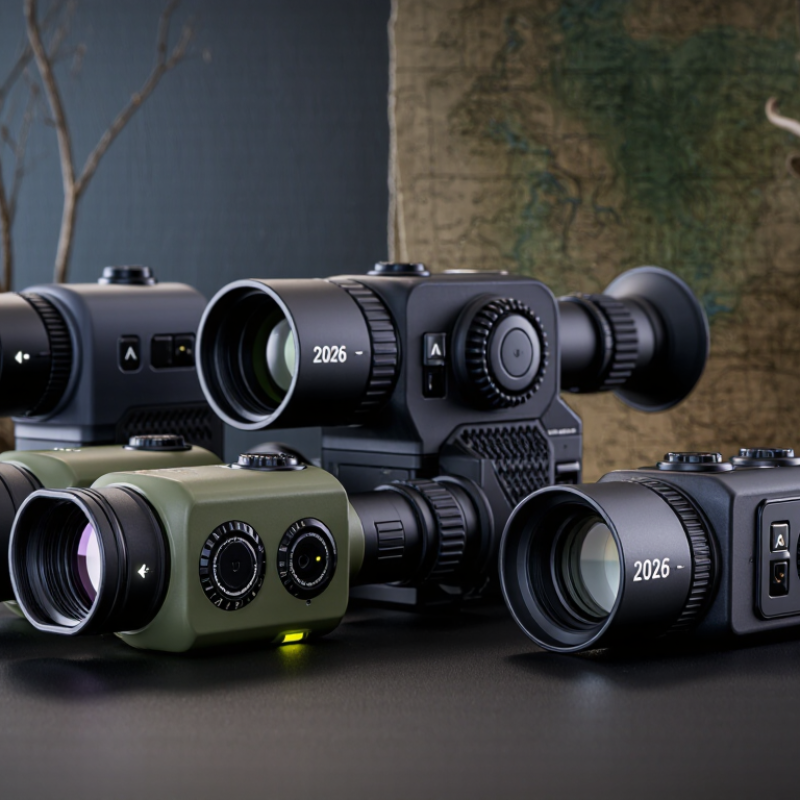
In 2026, image intensification night vision still means amplifying available light, not creating light from nothing. Photons enter the objective lens, strike a photocathode, and become electrons. A microchannel plate multiplies those electrons, while a phosphor screen turns them into a visible image. This process can reveal a dim path, distant branches, or a moving animal under starlight. Darkness exposes weaknesses. Cloud cover, dirty glass, and poor focus can reduce detail faster than many buyers expect. Image intensification is not thermal imaging. It needs some light and may struggle in completely unlit spaces.

When choosing a system, inspect resolution, signal-to-noise performance, gain control, and edge clarity. A sharp center image is useful, but blurred edges can hide hazards during movement. Check the field of view, eye relief, weight, battery access, and mounting stability. A compact device may feel convenient indoors, yet become tiring during long outdoor observation. I also recommend testing focus with nearby branches and distant objects. Specifications help, but hands-on viewing reveals small flaws.

Some users prefer a brighter image, although excessive brightness can wash out detail. Automatic controls are convenient, but manual adjustment may provide better control in changing conditions. No tube is perfect. My own preference has changed after noticing how glare, moisture, and poor alignment affected real use. Choose equipment suited to lawful observation, training, and local conditions, rather than chasing the highest advertised figure.

How Image Intensifier Generations and Technologies Differ

How to Choose Image Intensification Night Vision in 2026?
How Image Intensifier Generations and Technologies Differ

Image intensifier generations describe design progress, not guaranteed viewing quality. Generation 1 devices usually produce softer images and stronger edge distortion. Generation 2 adds a microchannel plate, improving gain and useful resolution. Generation 3 generally offers higher sensitivity in very dark scenes. However, tube quality matters more than the generation label alone. A carefully tested Generation 2+ tube can outperform a poor Generation 3 tube.

Modern systems also differ through gated power, autogating, thin-film construction, and white-phosphor output. Gated systems can reduce bright-light blooming, while autogating helps manage changing illumination. White phosphor often gives a cooler image that some users find easier to interpret. These features improve comfort, but they do not replace optical clarity or reliable controls. In field evaluations, small details matter: halo size around a lamp, image noise under tree cover, and focus changes at 30 meters.

A 2024 MarketsandMarkets report estimated the night-vision device market at roughly 8 billion US dollars, with continued growth through 2029. That expansion brings better components, but also confusing specifications. A 2023 report from Grand View Research identified rising demand for lightweight and digitally integrated night-vision equipment. The data is useful, yet market forecasts remain estimates. I would question any purchase based on generation alone. Test the complete system, inspect published resolution and signal-to-noise data, and confirm lawful use in your location. Some specifications look impressive. Real darkness can be less forgiving.

Which Performance Factors Matter in Real-World Use

How to Choose Image Intensification Night Vision in 2026?

Real-world performance begins with signal quality, not advertised magnification. Image intensifier tubes convert faint photons into visible detail. Key measures include resolution, signal-to-noise ratio, gain, halo, and equivalent background illumination. U.S. Army technical specifications have historically used about 64 line pairs per millimeter and SNR values near 25 as meaningful reference points. Higher SNR usually produces cleaner shadows and better facial detail. However, laboratory numbers do not predict every field experience.

Test the device at dusk, under cloud cover, and beside bright street lighting. A low EBI rating helps preserve detail in warm, dark scenes. Halo control matters near headlights, lamps, and reflective signs. The U.S. Department of Defense environmental testing guidance also emphasizes temperature, humidity, vibration, and shock. These conditions can change focus, battery life, and image stability. Check the diopter range and eye relief, too. A sharp tube is useless if your eyes cannot hold a comfortable image.

Tips: Ask for a measured test sheet, not a marketing grade. Compare resolution and SNR from the same test method. Inspect edge clarity, black spots, scintillation, and focus travel. Carry it for thirty minutes before deciding. Weight becomes obvious. My practical mistake was judging performance only in a dark field; urban glare exposed the real weakness. No single specification wins every environment. Independent testing remains the safer choice, especially when published figures omit temperature or lighting conditions.

How to Match Night Vision Devices to Your Intended Purpose

Choosing image intensification night vision begins with your intended purpose.

A device for walking on marked trails differs from one used for wildlife observation or lawful property inspection. A compact monocular usually reduces weight and preserves one eye’s natural night adjustment. Binocular viewing feels more comfortable during long sessions, but it adds bulk and cost. Match the format to your actual carrying habits.

For outdoor navigation, examine resolution, field of view, and edge clarity. A wide view helps detect branches and uneven ground. Higher resolution reveals distant details, but it may increase power consumption. Check the stated detection range under realistic darkness, not only ideal testing conditions.

Built-in infrared assistance can help in complete darkness, although it may reduce battery life. Consider eye relief, helmet compatibility, weather resistance, and control placement with gloves.

Wildlife observers should prioritize quiet operation and natural depth perception.

Property inspectors may need close-focus performance and reliable low-light detail.

I once valued maximum magnification too highly; narrow viewing made ordinary movement harder. That mistake still influences my recommendations. More power is not always better.

Compare independent testing with technical specifications, and confirm local rules before use. Keep the device secured, avoid restricted areas, and never mistake enhanced vision for perfect vision. Darkness hides hazards. So does overconfidence.

How to Compare Safety, Durability, Cost, and Legal Requirements

How to Choose Image Intensification Night Vision in 2026?

Choosing image intensification night vision starts with safety, not maximum brightness. A clear image can still hide poor controls, weak housing, or unsafe glare. Look for reliable eye protection, secure mounting, adjustable brightness, and automatic shutoff features. Test the controls with gloves in a dim room. They should feel simple.

Durability matters when equipment faces rain, dust, vibration, and sudden temperature changes. Check the protection rating, lens coating, battery compartment, and connection points. A strong housing is useful, but excessive weight can cause neck strain during extended use. Cost should include batteries, protective storage, maintenance, and replacement parts. The cheapest option may become expensive after one season. I would not trust impressive specifications without independent testing evidence. Numbers can be polished.

Legal requirements vary by country, region, and intended activity. Before buying, confirm rules covering ownership, import, export, recording, wildlife observation, and use near roads or private property. Some areas require permits or restrict specific performance levels. Keep receipts and technical documents. Ask a local authority or qualified legal adviser when wording is unclear. Regulations change. That part is easy to overlook. Use the device responsibly, respect privacy, and avoid viewing people through windows or into restricted areas. A careful buyer should also inspect return policies, warranty limits, and repair support before paying.

How to Choose Image Intensification Night Vision in 2026? - How to Compare Safety, Durability, Cost, and Legal Requirements

Comparison Dimension Entry-Level Image Intensification Professional Mid-Range Image Intensification High-Performance Image Intensification What to Verify Before Purchase
Typical Technology Gen 1 or basic analog intensification Gen 2 or Gen 2+ analog intensification Gen 3 or equivalent high-sensitivity analog intensification Confirm the actual image-intensifier generation and whether the specification refers to the complete device or only the tube.
Low-Light Performance Usable in urban or moderate moonlight; performance can decline sharply in very dark conditions. Generally effective in starlight and low-moonlight conditions, with better detail than entry-level systems. Best suited to very low ambient light, subject to weather, sky glow, optics, and tube quality. Look for measured sensitivity, signal-to-noise ratio, resolution, equivalent background illumination, and testing conditions rather than generation labels alone.
Image Detail and Resolution Usually lower detail and more visible noise, especially at the edges of the image. Improved resolution and contrast for navigation and target recognition. Typically the clearest image and strongest fine-detail performance, but quality varies between individual tubes. Check resolution in line pairs per millimeter, signal-to-noise ratio, blemish limits, and whether figures are minimum, typical, or guaranteed values.
Bright-Light Safety Bright lights may cause temporary blooming, glare, or image washout; some units can be more vulnerable to damage. Often includes automatic brightness control, but bright-light exposure can still reduce image quality and may damage components. Usually includes stronger protection features, but no image intensifier should be intentionally exposed to direct sunlight, welding arcs, or high-intensity beams. Confirm automatic brightness control, bright-source protection, operating warnings, and whether the warranty covers accidental light exposure.
Laser and IR Safety Infrared illumination can improve visibility, but high-power lasers can injure eyes and damage sensors. Compatible low-power infrared illumination may improve performance in complete darkness. Can reveal more detail from available infrared light, but the device does not make an unsafe laser safe. Use only legally permitted, eye-safe equipment. Never look into a laser beam, and follow the illuminator’s classification and operating instructions.
Weather and Environmental Use May tolerate light rain and ordinary outdoor use when adequately sealed; protection varies considerably. Typically more suitable for repeated outdoor use, with better sealing and environmental protection. Often selected for demanding field conditions, but high-end performance does not automatically prove waterproofing or impact resistance. Check the stated IP rating, operating temperature, storage temperature, humidity resistance, fogging control, and test method.
Shock and Vibration Durability Suitable for careful recreational use; repeated recoil, drops, or vehicle vibration may shorten service life. Generally more robust when the housing, mount, and tube are designed for field use. Usually the strongest option for sustained field use, provided the complete assembled system has been tested. Ask for documented shock and vibration testing. A reference to a military test method is not the same as independent certification or unlimited durability.
Battery and Operating Time Commonly offers approximately 20–40 hours, depending on battery type, temperature, infrared use, and auto shutoff. Commonly offers approximately 30–60 hours under stated conditions. Often offers approximately 30–60 hours, although high-performance electronics and accessories may reduce runtime. Compare runtime using the same battery standard and temperature. Check low-battery warnings, battery availability, and cold-weather performance.
Weight and Ergonomics Often lighter and simpler, but lower-cost housings and mounts may be less comfortable for extended use. Usually balances weight, controls, and field durability for regular use. May add weight through stronger housings, better optics, dual-tube layouts, or protective electronics. Compare complete system weight, helmet or head-mount compatibility, balance, eye relief, controls, and fatigue during extended wear.
Typical 2026 Price Range Approximately USD 500–1,500 for basic complete systems. Approximately USD 1,500–4,000 for better tubes, optics, and housings. Approximately USD 4,000–12,000 or more for premium tubes, advanced configurations, and specialized systems. Prices vary by region, tube specifications, accessories, taxes, warranty, availability, and export restrictions. Treat these as broad market ranges, not quotations.
Maintenance and Repair Lower initial cost, but repairs may be uneconomical if the unit uses proprietary parts or has limited service support. Usually offers a better balance between serviceability and replacement cost. Individual tube replacement, optical alignment, and factory service can be expensive. Confirm warranty duration, dead-pixel or blemish policy, repair location, estimated turnaround time, spare-parts availability, and return conditions.
Best Use Case Occasional navigation, wildlife observation, property checks, and learning basic night-vision operation. Frequent outdoor use, professional observation, security patrols, and demanding recreational applications. Very low-light observation, specialized professional work, and users who need maximum available image performance. Choose for the actual environment. A higher specification does not compensate for poor training, unsuitable mounting, or inadequate weather protection.
Ownership and Purchase Rules May be available for ordinary civilian purchase in some jurisdictions, but local rules still apply. May be subject to restrictions on sale, import, export, or use depending on the country and configuration. More likely to involve export-control, end-user, or controlled-technology requirements in some jurisdictions. Check the laws of the purchase country, destination country, and intended-use location before ordering. Do not rely solely on a seller’s shipping approval.
Use in Vehicles and Public Areas Driving or operating machinery while viewing through night vision may be restricted or unsafe. Vehicle, roadway, hunting, security, and public-space use may be governed by separate rules. Professional capability does not create an exemption from traffic, workplace, privacy, or public-safety laws. Verify transportation, hunting, firearm, workplace-safety, privacy, and local public-use rules before deployment.
Overall Selection Guidance Choose when budget and occasional use matter most, and performance limits are acceptable. Choose when durability, image quality, and total ownership cost must remain balanced. Choose when low-light performance is critical and the higher purchase, maintenance, and compliance costs are justified. Prioritize verified specifications, safe operation, documented durability, service support, and legal compliance over marketing terminology.

Important: Performance, prices, and legal requirements vary by jurisdiction and product configuration. Always confirm current regulations with the relevant customs, export-control, workplace-safety, transport, or wildlife authorities before purchase or use.

Go to Top