
Biomarkers For Ad are measurable signs that can help researchers and clinicians understand changes linked to Alzheimer’s disease. These signs may include amyloid and tau proteins, or evidence of brain-cell injury. They can be assessed through methods such as cerebrospinal fluid tests, brain imaging, and certain blood tests. Each method has different strengths, limits, and levels of availability.
Why does this matter? Alzheimer’s symptoms can overlap with other conditions, and changes in memory alone do not reveal their cause. Biomarkers may help clinicians identify disease-related biology, support research, and select or monitor participants in clinical trials. In some settings, test results can also inform discussions about diagnosis and care. They must be interpreted alongside a person’s symptoms, medical history, and other findings—not in isolation.
A result is not a complete answer. Biomarker tests can differ in accuracy and suitability, and access varies across clinics. Their meaning may also depend on the person being tested and the question being asked. Clinicians should explain what a test can and cannot show, using validated guidance and the best available evidence. There is room for caution here. A measurable signal is not the same as a person’s lived experience, and no single result should define someone’s future. Understanding both the promise and limits of biomarkers helps patients, families, and care teams make better-informed decisions.
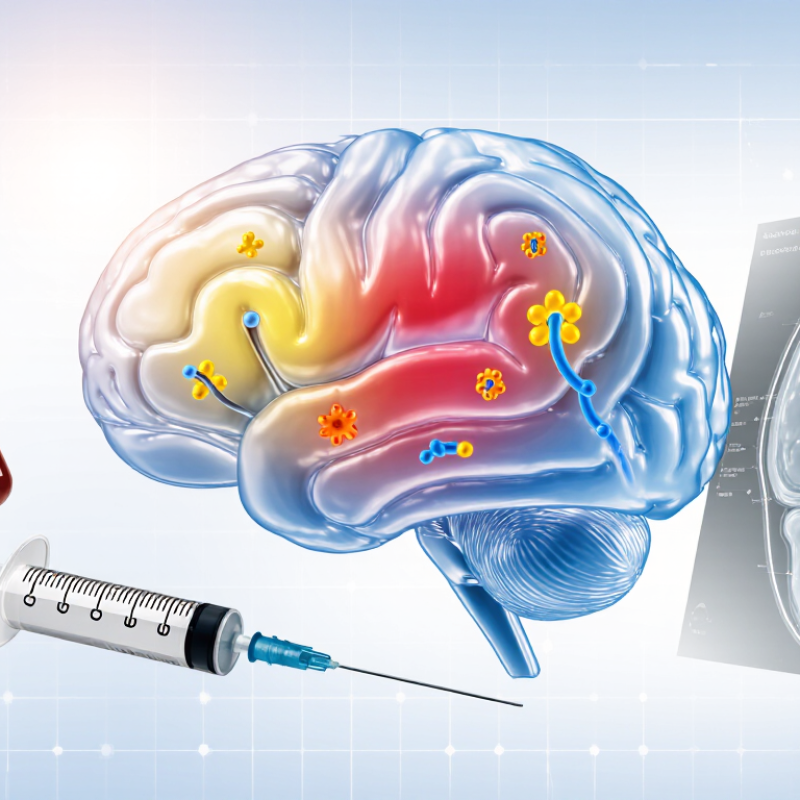
Alzheimer’s disease can begin changing the brain years before memory problems become obvious. Biomarkers are measurable clues found in blood, cerebrospinal fluid, or brain scans. Some reflect amyloid plaques; others track tau changes or nerve-cell injury. Together, they help clinicians distinguish Alzheimer’s biology from other causes of cognitive symptoms.
Biomarkers reveal patterns, not a complete personal forecast. An amyloid-positive result may support the presence of Alzheimer’s pathology, but it cannot tell exactly when symptoms will worsen. A tau marker or imaging finding adds context, while age, medical history, examination, and daily function still matter. Results should be interpreted with a qualified clinician. A test is not the whole story. Still, gaps remain.
Tips: Ask what a test measures, what its result can and cannot show, and whether follow-up is needed. Bring a medication list and note specific changes, such as repeated questions or missed appointments. Small details help. Biomarkers can make uncertainty more manageable, though uncertainty does not disappear.
Alzheimer’s biomarkers are measurable signs of changes linked to the disease. They can help clinicians investigate memory problems and distinguish Alzheimer’s from other possible causes. They may also support treatment decisions and research.
A biomarker is not a crystal ball. Results cannot predict exactly how quickly symptoms will change, and they need to be interpreted alongside a person’s history and examination.
The main types include amyloid and tau markers, found through spinal fluid tests or specialized brain scans.
Amyloid PET scans show plaques; tau scans can show where tau protein has accumulated.
Blood tests can measure related proteins and may help identify people who need further assessment.
MRI scans reveal brain structure, such as shrinkage, but those changes are not unique to Alzheimer’s.
No single result tells the whole story. The details can be easy to misread.
Tips: Ask what a test measures and what a result can—and cannot—show. Discuss findings with a qualified clinician, especially if symptoms, scan results, and test results do not seem to match. A second look can be useful.
Biomarkers can reveal biological changes linked to Alzheimer’s disease (AD) before memory problems become obvious. They include signs of amyloid and tau, proteins that can build up or change in the brain. Some tests examine cerebrospinal fluid, while others use brain imaging or blood samples. Each method measures different evidence.
Earlier clues may help clinicians investigate symptoms sooner and distinguish AD-related changes from other possible causes. A blood test, for example, may flag a pattern that warrants further assessment. It does not, by itself, explain why someone forgets a familiar route or struggles to follow a conversation. That distinction matters. Diagnosis still draws on medical history, cognitive testing, daily functioning, and sometimes additional biomarker tests.
Biomarkers can also make diagnostic decisions more precise, especially when symptoms are mild or overlap with other conditions. Yet results are not perfect. A positive finding does not always predict when symptoms will appear, and a negative result may not settle every question. Test accuracy and availability can vary. Clinicians must weigh results alongside the person’s age, health, and specific concerns. The numbers can clarify the picture, but they do not tell the whole story.
Biomarkers can help clinicians follow Alzheimer’s disease (AD) beyond memory tests alone. Amyloid and tau measures, brain imaging, and some blood tests can reveal changes linked to disease biology. Clinicians may compare results over months or years, alongside changes in thinking, daily function, sleep, and medical history. For example, a test result might be reviewed after someone has trouble planning familiar errands or before a care decision. The context matters.
A single result is a snapshot, not a forecast.
Tracking works best when the same type of test is repeated under comparable conditions. Even then, values can vary, and different tests do not measure exactly the same process. An MRI may show structural changes, while fluid or blood measures may reflect proteins associated with AD. These signals can shift before everyday abilities clearly change. Some people also have real-life difficulties while a test shows little movement.
This mismatch can frustrate families. It is a reminder that lab numbers are not the whole story. Biomarkers can sharpen conversations about progression, but they cannot predict precisely what next year will look like.
The picture is not always tidy. A dated record of test results, symptoms, and medication changes gives each new measurement a clearer frame.
Biomarkers can show whether Alzheimer’s-related changes are present in the brain. This helps clinicians distinguish underlying disease from symptoms that may have other causes. The Alzheimer’s Association’s 2024 Facts and Figures estimated that 6.9 million Americans aged 65 and older were living with Alzheimer’s dementia. Better tools matter at that scale. Blood tests may help identify people who need further assessment, while cerebrospinal fluid tests and brain scans can provide additional evidence.
For treatment decisions, biomarkers can confirm amyloid pathology before certain therapies are considered. They can also help clinicians assess treatment risks and follow-up needs. In the CLARITY AD trial, published in the New England Journal of Medicine in 2023, participants receiving an amyloid-targeting treatment had 27% less decline on a cognitive and functional measure over 18 months than the placebo group. That is a group result, not a promise for any one person. Biomarkers guide decisions; they do not replace a full clinical assessment.
Research benefits, too. Biomarker testing helps researchers recruit participants with the disease changes a study is designed to examine. It can make trial groups more comparable and help track biological effects alongside memory and daily function. Still, a marker is not the person. A result may not explain every symptom, and interpretation can be messy. That deserves more attention.