How to Use an Image Intensifier for Better Night Vision?
Using an image intensifier can significantly enhance your night vision capabilities. These devices amplify low-light environments, revealing details often hidden in darkness. Whether you’re out in the wilderness or on a nighttime adventure, the right equipment can change your experience.
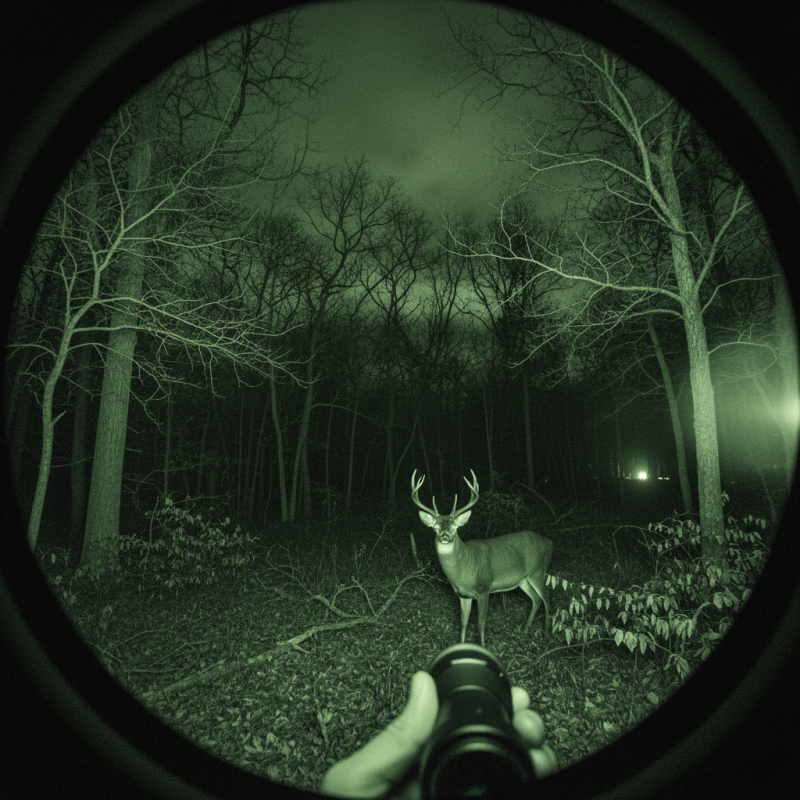
Imagine standing in a pitch-black forest. With an image intensifier, shadows transform into shapes. You notice every rustle in the bushes. The technology captures even the slightest light, making the night alive with details. However, using this device requires some skill. Misjudging the settings can lead to underwhelming results.
Furthermore, an image intensifier might not work well in all situations. Bright lights can cause glare, hindering visibility. Understanding how and when to use it is vital. Practice makes perfect; mastering this tool is a journey. Embrace the learning curve, and you’ll uncover the world after dark.
How Image Intensifiers Enhance Night Vision Capabilities
Image intensifiers are remarkable tools that significantly enhance night vision. They work by amplifying available light, making it easier to see in dark environments. These devices take small amounts of light, including infrared, and convert them into visible images. The result is a clear view of the surroundings, even in pitch-black conditions.
Using an image intensifier can transform your night-time experiences. Imagine walking through a forest under a starry sky. The device allows you to spot wildlife hiding in the shadows. However, poorly adjusted settings can lead to distorted images or excessive glare. This often requires fine-tuning, which can be frustrating.
The design of image intensifiers is intricate. It involves various components that all need to work in harmony. Any dust or smudges on the lenses can compromise vision quality. Additionally, prolonged use might cause eye strain, demanding regular breaks for comfort. Understanding these aspects will enhance your experience and ensure you see what lurks in the dark more clearly.
Understanding the Technology Behind Image Intensifiers
Image intensifiers are fascinating devices that enhance visibility in low-light conditions. They work by collecting ambient light and converting it to a visible image. This is achieved through a series of components, including a photoelectric tube and a phosphor screen. The technology behind them is quite complex but incredibly effective for night vision.
The core process begins with the photoelectric effect. This occurs when light hits a photocathode, which generates electrons. These electrons are then amplified by a special component called a microchannel plate. As they move through this plate, the electrons undergo a multiplication process, resulting in a significantly larger flow of electrons. Finally, these electrons hit the phosphor screen, producing a bright image visible to the human eye.
Despite their effectiveness, using image intensifiers does require practice. Users may find that images can appear grainy or distorted in certain conditions. It takes time to learn how to calibrate these devices properly. There may be moments when the visibility is less than expected. Adjusting to the limitations of these tools can be challenging, yet rewarding. Embracing these imperfections is part of becoming proficient in low-light environments.
Key Factors Influencing Image Intensifier Performance at Night
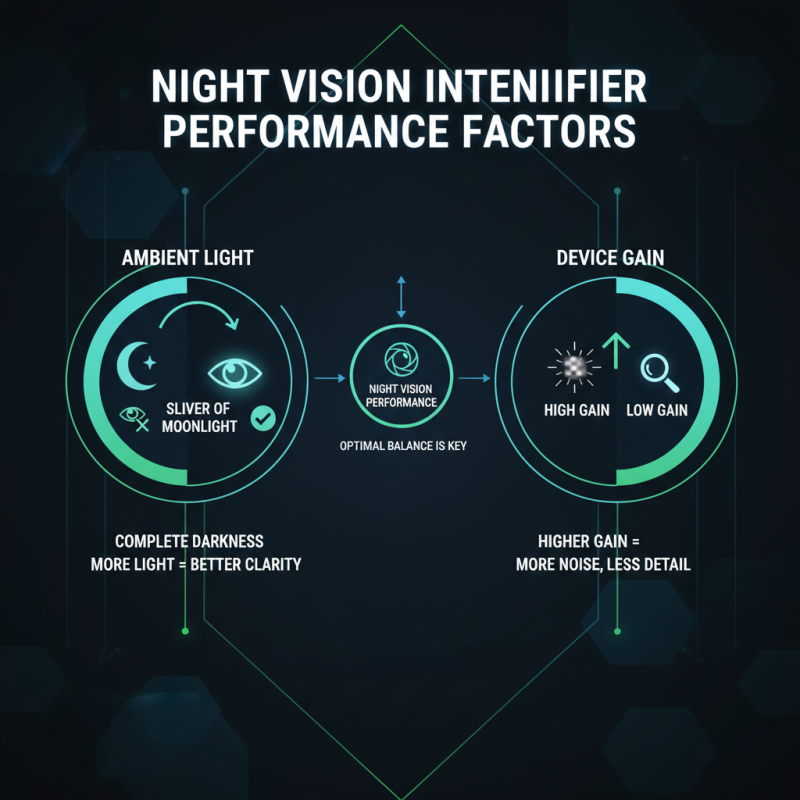
When using an image intensifier, various factors influence its night vision performance. One crucial aspect is the ambient light. If you are in a completely dark area, the device struggles to gather enough light. Even a sliver of moonlight can greatly enhance visibility. The gain of the intensifier itself matters. Higher gain means better amplification of available light, but it can introduce noise. This noise can obscure details.
Another factor to consider is the quality of the optics. Poor optics can lead to blurred or distorted images. Ensure that lenses are clean and free from scratches. You might overlook this point, but it significantly impacts clarity. Additionally, the resolution of the image intensifier determines how well you can see objects far away. Low resolution might limit your ability to identify the shapes and movements of distant figures.
Lastly, temperature plays a role. Extreme cold can affect battery life and device performance. Be mindful of temperature changes as you use the intensifier. Good practices include keeping the device warm and letting it adjust before use. Failing to do so can lead to disappointing results. Remember, even a perfect device has its limitations. Understanding these factors can help you achieve better night vision outcomes.
Best Practices for Operating Image Intensifiers in Various Conditions
Using an image intensifier can significantly enhance your night vision. However, operating it effectively requires attention to various conditions. Clear understanding of the terrain is crucial. Dense foliage can obstruct visibility. Shadows can create misleading contrasts. These factors can challenge even seasoned users.
It’s also critical to consider the ambient light. If it’s too dark, performance may falter. Under low light, gain settings should be adjusted. Too much gain can create excessive noise, diminishing clarity. In contrast, excessive light can wash out the image. Users often struggle with these balances. Testing different settings in safe environments can foster better results.
Finally, maintaining the device is vital. Clean lenses can prevent image distortion. Dust or smudges can obscure details. Regular checks for functionality can minimize surprises. Users may overlook these aspects in the heat of the moment. Taking time for these practices yields effective night vision performance. Each outing offers a chance to refine your skills.
Image Intensifier Performance Under Different Conditions
This chart illustrates the visibility range of image intensifiers under various lighting conditions. As expected, visibility decreases significantly in bright light and daylight conditions, while maximum range is achieved in very low and low light environments.
Comparative Analysis: Image Intensifiers vs. Thermal Imaging Devices
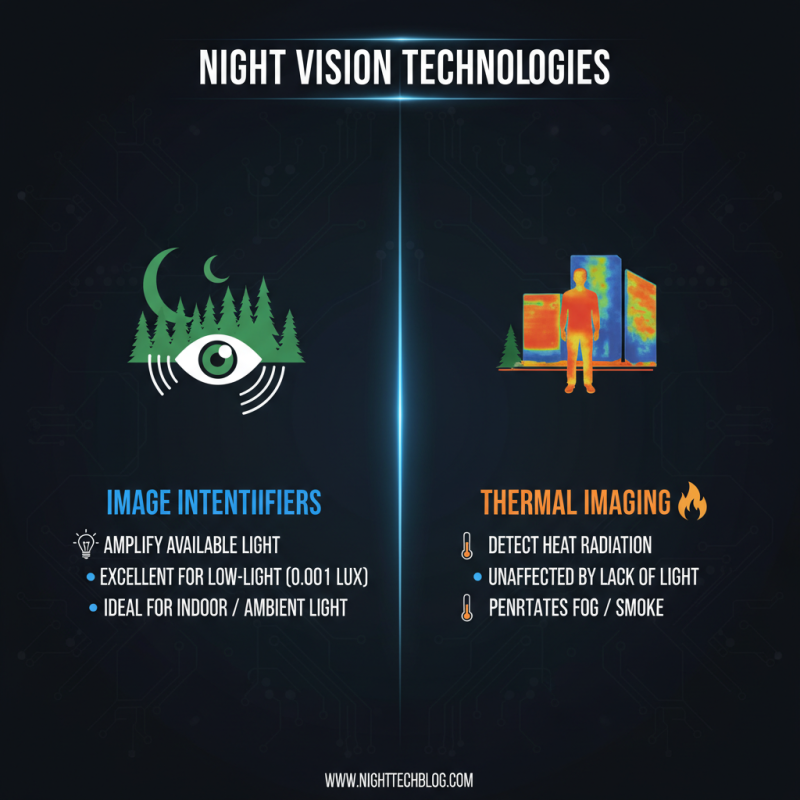
When comparing image intensifiers and thermal imaging devices, understanding their functionalities is crucial. Image intensifiers amplify available light, making them excellent for low-light conditions. They can detect subtle contrasts, often down to 0.001 lux, providing clarity in nearly complete darkness. This feature is particularly beneficial for indoor use or environments with some ambient light.
On the other hand, thermal imaging devices detect heat signatures, displaying images based on temperature differences. They perform well in total darkness, fog, or smoke. According to a report by the National Institute of Standards and Technology, thermal imaging can offer a higher detection range, up to several hundred meters, depending on the conditions. However, they lack the detail that image intensifiers provide in well-lit scenarios.
The choice between these two depends heavily on the intended use. Image intensifiers may struggle in situations with strong light sources or daylight. Conversely, thermal devices might miss fine details due to lower resolution. Users must weigh these factors to determine which technology best meets their needs, reflecting on their specific operational environments.