Top 5 Anti Snoring Solutions at the 139th Canton Fair 2026?
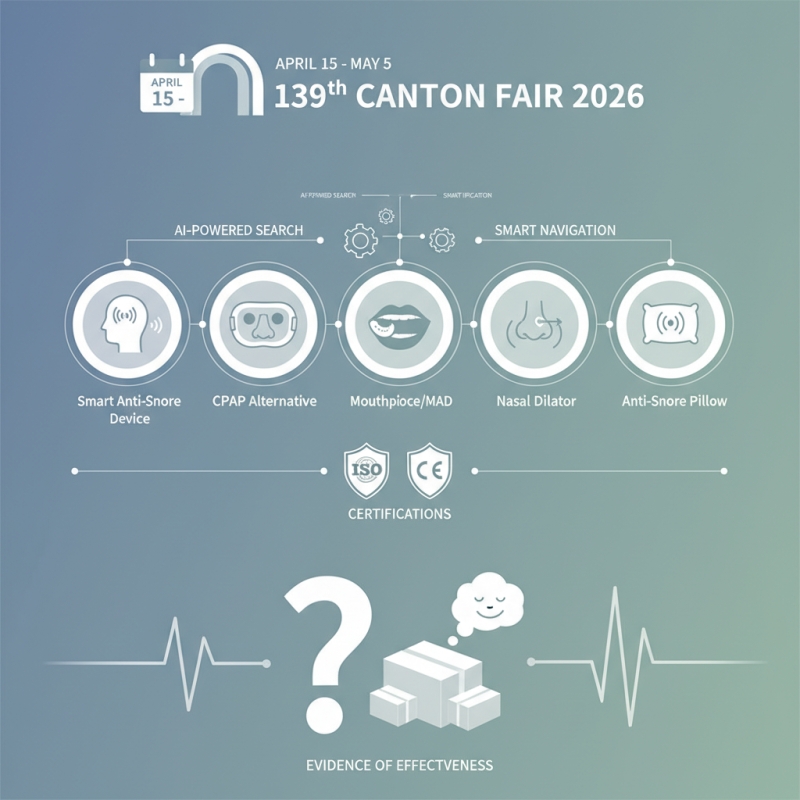
As the 139th Canton Fair approaches in 2026, the spotlight is on innovative Anti-Snoring solutions. Held from April 15 to May 5, this event showcases various industries. From advanced manufacturing to home furnishings, the fair promises cutting-edge products. With over 1.55 million square meters of exhibition space, navigating the fair might seem overwhelming.
The introduction of AI-powered search and smart navigation will enhance the experience. Buyers can quickly find suppliers with essential certifications like ISO and CE. This efficiency allows them to focus on unique Anti-Snoring solutions amid a vast array of offerings. However, the challenge remains in discerning which products truly deliver results.
Some solutions may sound promising but lack evidence of effectiveness. Products often appear similar, making it difficult for buyers to choose wisely. It’s crucial to reflect on what truly matters in the Anti-Snoring market. Will the innovations presented at the fair provide the relief many seek? This question lingers as we head into one of the largest trade events in the world.
Overview of Snoring and Its Implications on Health
Snoring affects millions of people worldwide. It's not just a nuisance for partners; it poses serious health risks. According to the American Academy of Sleep Medicine, around 45% of adults snore occasionally, and 25% are habitual snorers. This can lead to sleep apnea, fatigue, and cardiovascular problems. The implications are significant, stretching beyond a simple annoyance.
Lack of quality sleep can disrupt daily life. Those who snore often experience memory issues and mood swings. Moreover, snoring can strain relationships. Many partners report feeling frustrated or even angry due to sleep disruptions. It’s critical to address this problem for both partners’ well-being.
**Tip:** Maintain a healthy weight. Excess weight around the neck increases the likelihood of snoring.
**Tip:** Sleep on your side. This position can help reduce airway blockage.
Managing snoring is essential for quality sleep and overall health. Many solutions are available, but their effectiveness varies from person to person. Finding the right approach may require some trial and error. Recognizing the implications of snoring is the first step toward better sleep for everyone involved.
Introduction to the 139th Canton Fair and Its Focus on Anti-Snoring Products
The 139th Canton Fair is a significant event focusing on various industries. This year, there's a notable emphasis on anti-snoring products. Sleep disorders affect around 30% of the global population, according to a recent report. Snoring is a widespread issue, impacting not only the snorer but also their partners.
The anti-snoring market is projected to grow by 5.1% annually through 2025. This rise reflects increasing awareness about sleep health. At the fair, visitors can explore various innovative solutions. Many products range from nasal strips to advanced mouthpieces. Some solutions promise comfort and effectiveness. However, individuals may find it challenging to choose the best option.
While many products claim to be effective, results can vary. What works for one person may not work for another. Users often need to experiment to find a solution that meets their needs. Feedback from the fair indicates that education on usage is vital. This helps potential consumers make informed decisions.
Top Innovations in Anti-Snoring Devices Showcased at the Event
The 139th Canton Fair 2026 has become a hub for innovative anti-snoring solutions. With more than 1 billion people affected by snoring globally, the demand for effective devices has skyrocketed. An increasing number of manufacturers are showcasing their latest inventions. These include smart devices designed to detect and reduce snoring. A recent report states that 45% of adults snore at some point in their lives, highlighting the urgent need for effective solutions.
One standout innovation is a device using AI technology. It analyzes breathing patterns and adjusts accordingly throughout the night. This could potentially reduce snoring by over 70%, according to preliminary studies. Companies are also exploring wearable devices that gently vibrate to encourage a change in sleeping position. This method is gaining traction, yet user feedback suggests that comfort remains an issue for many.
Another notable trend is the integration of apps with these devices. Some apps provide real-time data about sleeping habits. They aim to improve user experience, but concerns about privacy have emerged. People want effective solutions but may hesitate to share personal data. The balance between innovation and user comfort must be cautiously navigated as the industry evolves.
Top 5 Anti Snoring Solutions at the 139th Canton Fair 2026
| Solution | Type | Material | Features | Price Range (USD) |
| Smart Snoring Pillow | Pillow | Memory Foam | Adjusts position based on snoring | $50 - $80 |
| Nasal Strips | Strips | Plastic | Opens nasal passages for easier breathing | $8 - $15 |
| Mouthpiece | Oral Device | Silicone | Customizable fit for jaw positioning | $30 - $100 |
| Anti-Snoring App | Mobile Application | Software | Tracks snoring and provides feedback | $5 - $25 |
| Sound Masking Device | Device | Plastic | Produces white noise to drown out sound | $70 - $150 |
Comparative Analysis of the Leading Anti-Snoring Solutions
Snoring affects millions of people globally, disrupting sleep and leading to health issues. According to recent studies, nearly 45% of adults snore occasionally. This has spurred the development of various anti-snoring solutions, especially showcased at events like the 139th Canton Fair in 2026.
Leading contenders in the anti-snoring market include nasal strips, oral appliances, and positional devices. Each solution has its merits and drawbacks. Nasal strips are non-invasive and easy to use, but they may not be effective for all snorers. In contrast, oral appliances can help align the jaw, but they often require custom fitting. Data indicates that user discomfort with these devices can lead to inconsistent use. Positional solutions, such as specialized pillows, show promising results, yet many users often revert to previous sleeping positions.
While innovation is key, making an informed choice is paramount. Industry reports reveal that around 80% of users are still searching for their ideal solution. This highlights a gap in consistent satisfaction, encouraging further research and development. The anti-snoring landscape continues to evolve, driven by user feedback and technological advancement.
Market Trends and Future Developments in the Anti-Snoring Industry
The 139th Canton Fair in 2026 highlights the growing demand for anti-snoring solutions. Many visitors express concern about sleep quality. A market trend shows that more consumers are seeking effective solutions to snoring issues. This is not just about comfort; it affects relationships and overall health.
Innovative products are emerging. Wearable devices track sleep patterns. They monitor snoring intensity. Additionally, non-invasive gadgets are gaining popularity. Some are designed to adjust sleeping positions, while others use sound waves to minimize snoring. However, the effectiveness of such solutions varies. Some users report improvements, while others are left disappointed.
Market researchers suggest that consumer awareness is crucial. Many people are unaware of available options. Educating the public can bridge this gap. Yet, challenges remain. With numerous products on the market, how do we ensure quality? Reflection on personal experiences may guide future choices for better sleep solutions.