Top 10 HIFEM Slimming Machine Types for Buyers?
The global body-contouring equipment market is expanding, but growth does not guarantee clinical value. Grand View Research reports continued demand for non-invasive body-shaping technologies through 2030. Its analysis highlights consumer interest in shorter recovery times, improved comfort, and measurable treatment outcomes. These trends create opportunities for clinics, distributors, and wellness centers considering a HIFEM Slimming Machine.
HIFEM refers to high-intensity focused electromagnetic stimulation. It induces repeated muscle contractions that ordinary exercise cannot easily reproduce. However, “slimming” can be an imprecise commercial term. Many systems primarily support muscle conditioning and body contouring, rather than broad weight loss. Evidence matters. Buyers should examine peer-reviewed studies, treatment protocols, applicator design, cooling performance, and documented patient outcomes. A polished touchscreen is not proof of effectiveness.
The International Society of Aesthetic Plastic Surgery reported more than 19 million non-surgical aesthetic procedures worldwide in its 2023 global survey. This demand encourages rapid equipment innovation, but it also increases the need for careful purchasing. The Top 10 HIFEM Slimming Machine Types for Buyers compares electromagnetic intensity, treatment areas, software controls, safety systems, maintenance needs, and total ownership costs. It also considers regulatory documentation in the target market, including manufacturer declarations, quality-management certification, and applicable medical-device clearance. Not every device qualifies. Buyers should request verification before signing a purchase agreement.
Some evaluations remain imperfect because published studies may use small samples, short follow-up periods, or manufacturer-supported protocols. That limitation deserves attention. Reliable decisions combine supplier experience, independent evidence, trained operators, and realistic patient expectations. Claims need scrutiny. A responsible buyer measures value beyond appearance, including uptime, service response, consumable requirements, and safe clinical operation.
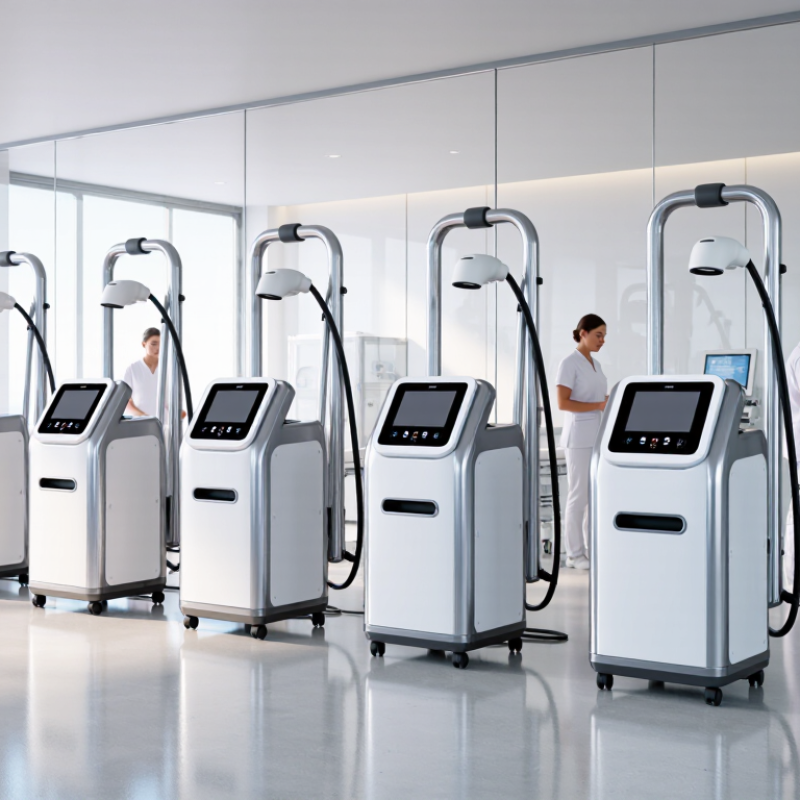
What HIFEM Slimming Machines Are and How They Work
HIFEM slimming machines use coils to create high-intensity electromagnetic fields. These fields stimulate motor nerves, causing repeated, involuntary muscle contractions beneath an applicator. The sensation is usually strong and rhythmic, not like ordinary exercise. Not a workout. The machine is intended for body contouring, not weight-loss treatment, and it does not replace physical activity or clinical care.
Clinical findings offer a useful but limited reference point. A 2018 MRI study of 22 adults reported a 15.4% average increase in abdominal muscle thickness and an 18.6% average decrease in subcutaneous fat thickness after four sessions. These were short-term, study-specific measurements, not guaranteed buyer outcomes. The results also depend on treatment protocols and participant selection. (Kinney and Lozano, Lasers in Surgery and Medicine, 2019.) Small studies can be informative, but they do not settle every question.
Tips: Ask suppliers for the full study protocol, sample size, follow-up period, and adverse-event data. Check which body areas and client profiles the evidence actually covers. Confirm contraindications with a qualified clinician before treatment; certain implanted electronic devices may require special caution. Results vary. A practical detail: record baseline measurements under consistent conditions, since posture and tape placement can change readings.
How the Ten Main HIFEM Machine Types Differ
Top 10 HIFEM Slimming Machine Types for Buyers?
HIFEM machines differ mainly by applicator design, treatment area, and operating setting. Single-applicator units target one muscle group, while dual-applicator models treat the abdomen or both thighs together. Four-applicator systems can cover larger areas, but they need careful positioning. Flat-pad systems suit broad muscle zones. Curved applicators follow the waist or buttocks more closely. Chair-style systems focus on pelvic floor muscles rather than cosmetic body contouring. Portable units offer easier room changes, although their output may be less consistent. Fixed clinic systems usually provide stronger cooling, clearer controls, and better treatment records. Combination systems pair HIFEM with radiofrequency or other energy forms. Multi-mode systems allow different pulse programs for beginners, athletes, or sensitive clients.
The categories are not perfectly clean. Some machines use several labels for the same configuration. Buyers should examine pulse settings, applicator contact, treatment duration, cooling, and emergency controls. A higher power number does not automatically mean better results. Ask for independent safety documentation and region-specific regulatory clearance. Also check whether the intended claim concerns muscle stimulation, circumference change, or fat reduction. These are not identical outcomes.
In practical use, fit matters. An applicator should sit firmly, without sharp pressure or unstable movement. Operators need documented training and screening procedures. People with implanted electronic devices, certain medical conditions, or pregnancy may require exclusion or medical advice. Results can vary with muscle condition, treatment schedule, and lifestyle. That part is often underexplained. A reliable buyer compares measured outcomes, maintenance support, warranty terms, and realistic clinical evidence before choosing a machine.
Treatment Uses, Limitations, and Safety Considerations
Top 10 HIFEM Slimming Machine Types for Buyers?
High-intensity focused electromagnetic (HIFEM) machines are commonly designed for abdominal, gluteal, arm, thigh, or calf treatments. Some systems focus on muscle stimulation, while others combine electromagnetic energy with controlled heating. Treatment usually feels like repeated, intense contractions, similar to strenuous exercise. Sessions often last about 20 to 30 minutes. Mild soreness may appear afterward.
The main treatment use is body contouring, not general weight loss. HIFEM may support muscle firmness and improve the visible shape of a treated area. Results vary with muscle condition, body composition, treatment settings, and lifestyle. A trained medical professional should assess expectations before treatment. Evidence is still developing, and advertising can sound more certain than research allows. That deserves caution.
Safety screening matters.
People with pacemakers, implanted electronic devices, certain metal implants, uncontrolled seizures, pregnancy, recent surgery, or unexplained pain may need to avoid treatment. A provider should review medical history and inspect the treatment area before every session. Ask about local regulatory clearance, operator training, emergency procedures, and documented side effects. Stop treatment if pain becomes sharp, unusual, or persistent. Temporary fatigue, muscle tenderness, or cramping can occur. Rare complications are possible, especially with poor screening or excessive settings. I would not treat a dramatic before-and-after image as proof. Photos can mislead.
How Buyers Can Choose a Suitable HIFEM Machine
Top 10 HIFEM Slimming Machine Types for Buyers?
How Buyers Can Choose a Suitable HIFEM Machine
Demand for non-surgical body treatments is growing. The ISAPS 2023 Global Survey recorded about 19.1 million non-surgical aesthetic procedures worldwide. This figure signals interest, not guaranteed treatment success. Buyers should examine the machine’s actual working system, not only its advertised slimming claims.
HIFEM devices differ in applicator number, pulse frequency, magnetic intensity, treatment area, and cooling design. Ask for verified technical specifications. A higher field is not automatically better. Check whether the manufacturer provides safety testing, electromagnetic compatibility reports, and clear contraindications. Independent clinical evidence matters more than dramatic before-and-after images. A 2023 systematic review in Aesthetic Plastic Surgery reported promising improvements in muscle definition and fat reduction, but also noted limitations in study size and follow-up periods.
Look closely at daily operation. Can staff position applicators consistently? Are treatment records easy to export? Does the control panel show energy levels and session time clearly? A suitable system should include operator training, maintenance instructions, emergency controls, and responsive technical support. Buyers should also verify electrical certification for their market and request documented warranty terms.
Be careful with vague “permanent” language. Results may depend on exercise, diet, body composition, and treatment schedules. Some clinics may overestimate outcomes. That deserves reflection. Before purchase, compare measured waist or muscle changes with reported patient satisfaction. A small pilot program can reveal comfort, workflow problems, and real demand before a large investment.
Top 10 HIFEM Machine Configurations: A Buyer’s Guide
Compare configurations by the number of applicator positions shown. These are layout categories, not market rankings or performance ratings.
More applicator positions can allow more treatment areas to be addressed in one session, but do not by themselves indicate better results. Before buying, confirm applicator compatibility, treatment protocols, safety documentation, service support, and the intended treatment areas with the supplier.