Ultimate Tips for Choosing the Best Wet Tissue for Your Needs?
Choosing the right Wet Tissue can significantly impact your daily hygiene routine. With so many options available, understanding what works best for you is essential. Wet tissues offer convenience and cleanliness, making them a popular choice for families and individuals alike. However, not all wet tissues are created equal.
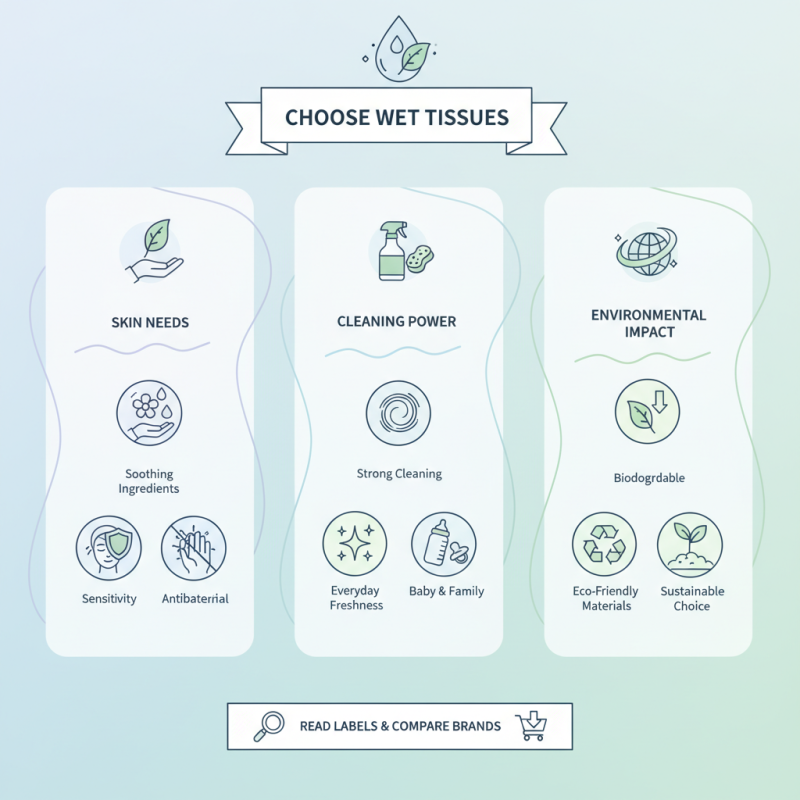
When selecting wet tissue, consider specific needs. Are you looking for skin sensitivity, or do you need antibacterial options? Some tissues are infused with soothing ingredients, while others focus on strong cleaning power. It's important to read labels and identify what suits your lifestyle.
Additionally, environmental impact plays a vital role. Some wet tissues are biodegradable, while others contribute to waste. Reflecting on personal choices can lead to better decisions for health and the planet. Evaluating various brands and types before purchase helps ensure the best experience. Ultimately, the right wet tissue can make your life easier and healthier.
Understanding the Different Types of Wet Tissues Available on the Market
When navigating the wet tissue market, understanding the types available is essential. Wet tissues, or wipes, come in various categories, each tailored for specific uses. For example, some are designed for personal hygiene, while others target household cleaning. According to recent market analysis, the global wet wipes market is set to grow at a CAGR of 5.5% from 2021 to 2026. This growth reflects an increasing consumer preference for convenience-oriented products.
Baby care wipes are among the most popular options, noted for their softness and skin-friendly ingredients. A study revealed that nearly 70%of parents prefer using wet wipes for Diaper changes. These considerations highlight the need for careful selection based on skin sensitivity.
Alternatively, antibacterial wipes are gaining traction, particularly in the wake of heightened health concerns. They often contain alcohol or disinfecting agents to combat germs effectively, but excessive use can lead to skin irritation.
Eco-friendly wipes are on the rise too, appealing to environmentally conscious consumers. However, not all biodegradable options meet high standards. It’s crucial to check certifications and ingredient lists. Research suggests that consumers should be vigilant about product claims, as some may mislead regarding their environmental impact. Understanding these nuances can enhance your decision-making process when selecting the right type of wet tissue for your needs.
Key Factors to Consider When Selecting Wet Tissues for Your Skin Type
Choosing the right wet tissue for your skin type can be challenging. Certain factors are crucial in making an informed decision. Skin sensitivity varies across individuals. According to a study, approximately 60% of people experience reactions to personal care products. Ingredients play a vital role in this. Avoid harsh chemicals and fragrances to minimize irritation.
Know your skin needs. For sensitive skin, look for hypoallergenic materials. These are less likely to cause redness or allergic reactions. A report from the American Academy of Dermatology indicates that 70% of individuals with sensitive skin prefer gentle formulations. Additionally, consider the moisture level of the wet tissues. Insufficient moisture can lead to drying out your skin, which is undesirable.
Texture matters too. A silky, soft texture can enhance your cleaning experience. According to research by dermatologists, rough textures may cause micro-abrasions, contributing to skin issues over time. Suitable packaging is essential for maintaining tissue integrity. Dry or damaged wet tissues are less effective. When evaluating options, always check user reviews. They provide insights that can reveal hidden downsides. Every choice reflects personal priorities, whether it be comfort, effectiveness, or ingredients.
Assessing the Ingredients: What to Look for in Wet Tissue Formulations
When choosing wet tissues, assessing the ingredients is essential. Every user should scrutinize the formulation. Common culprits like parabens and sulfates often appear in many products. These additives can cause skin irritation and should be avoided, particularly for sensitive skin types.
Look for alcohol-free options, as alcohol can dry out the skin. Instead, seek out moisturizing ingredients such as aloe vera or chamomile extract. These compounds provide soothing effects. It's essential to confirm that the wet tissues are hypoallergenic if you have allergic tendencies. Don’t overlook the importance of pH balance in formulations either. A balanced pH can better support the skin's natural barrier.
Remember to consider how ingredients interact. Often, a product may feel good initially but could provoke reactions over time. Check for fragrance, as it can be deceptive. Natural scents are preferable, but even natural fragrances can irritate some individuals. Testing a small area of skin before broad usage can prevent adverse reactions. Ultimately, being critical of ingredient lists can lead to better choices.
Evaluating the Use Cases: Everyday, Travel, and Specialized Wet Tissues
When selecting wet tissues, consider your specific use cases. Everyday tissues are often multipurpose. They can clean hands, faces, and surfaces. Look for options that are gentle on the skin but effective in removing dirt. Ingredients matter; avoid harsh chemicals. Natural ingredients can reduce irritation for sensitive skin.
Travel packs are a different story. They need to be compact and convenient. Many come with resealable packaging to maintain moisture. This is crucial during long journeys. Check their size and weight. You want them to fit easily in your bag. Also, consider their drying time. Some tissues dry out quickly, leaving them useless when needed.
Specialized wet tissues serve unique needs. For babies, look for hypoallergenic options. They should be soft and soothing. For outdoor activities, choose antibacterial varieties. These can help when soap and water aren't available. Not all wet tissues are created equal. Reflect on your routines. The best choice is what fits your lifestyle.
Sustainability and Environment: Choosing Eco-Friendly Wet Tissue Options
When selecting wet tissues, considering their environmental impact is crucial. Eco-friendly options are becoming increasingly popular. Many brands now focus on biodegradable materials. This means they break down naturally, reducing waste in landfills. Look for tissues made from sustainable sources like bamboo or recycled paper.
It's essential to check the packaging too. Recyclable packaging helps minimize environmental footprints. Avoid products that come in plastic wrappers. These can linger in the environment for years. Also, consider the chemicals used in the wetting solution. Many traditional wet tissues contain harmful ingredients. Opt for products with natural or organic certifications.
Choosing eco-friendly wet tissues isn't always straightforward. Some products market themselves as green but may not be truly sustainable. Take time to read labels and research brands. Look for certifications that ensure environmental responsibility. This process can be tedious, but it’s worth it for our planet's future. Each small choice contributes to a larger impact.
Ultimate Tips for Choosing the Best Wet Tissue for Your Needs
| Feature | Eco-Friendly Options | Biodegradable | Paraben-Free | Fragrance-Free |
| Material | Organic Cotton | Yes | Yes | Yes |
| Packaging | Recyclable | Yes | Yes | Yes |
| Additives | Natural Extracts | Yes | Yes | Yes |
| Water Source | Purified Water | Yes | Yes | Yes |
| Certifications | EcoCert | Yes | Yes | Yes |