How to Source Quality Plant Extracts for Your Business?
In the competitive world of natural products, sourcing quality Plant Extracts is crucial for businesses aiming to thrive. The global market for plant extracts is projected to reach $100 billion by 2025, according to a report by Grand View Research. This statistic highlights the growing demand for these products across various industries, including cosmetics, food, and pharmaceuticals. Sourcing plant extracts effectively can particularly enhance product quality and consumer trust.
Dr. Jane Smith, a leading expert in herbal medicines, emphasizes the importance of selecting reliable suppliers. She states, "Quality plant extracts are the backbone of natural formulations." Inconsistent sourcing can lead to inferior products that may harm a brand's reputation. It is essential to evaluate suppliers based on their testing methods and extraction processes. Making informed decisions will not only ensure high standards but also mitigate risks involved in the sourcing process.
While it may seem straightforward, many companies still face challenges in sourcing quality extracts. Some may rush the process and overlook critical factors such as supplier transparency and product certification. Businesses often need to reflect on their sourcing strategies. Quality plant extracts can significantly influence customer satisfaction and loyalty. A cautious approach towards sourcing can prove vital for long-term success in the plant extract market.
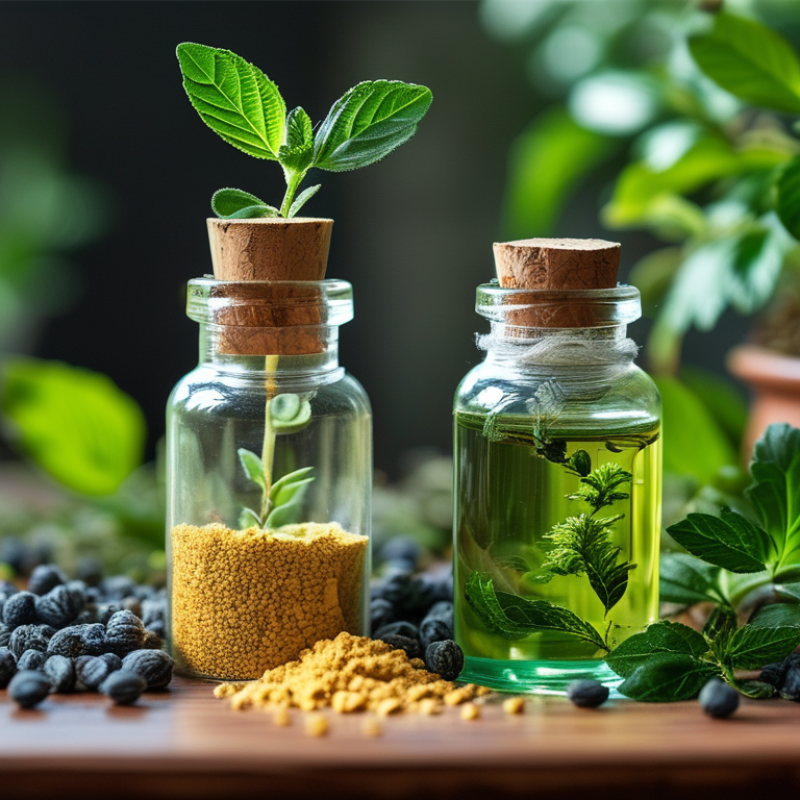
Identifying Reliable Suppliers for Plant Extracts
Sourcing quality plant extracts begins with identifying reliable suppliers. Start by researching potential providers. Check their websites and online reviews. Look for suppliers who have a strong reputation in the industry. It’s crucial to find partners with a track record of quality and consistency.
Evaluating a supplier’s certifications is key. Ensure they adhere to industry standards and regulations. This can indicate their commitment to quality. Ask about their sourcing practices. Suppliers should be transparent about where and how they obtain their plant materials. Take time to ask questions about extraction methods and quality control processes.
Sometimes suppliers may promise more than they can deliver. Be cautious with those who avoid providing detailed information. Request samples to assess the quality of their extracts. This step is essential for understanding what you’ll be working with. Reflect on their response and willingness to collaborate. The right supplier will be open to discussions. Building a solid relationship with them can enhance your business in the long run.
Evaluating the Quality of Plant Extracts: Key Parameters
When sourcing quality plant extracts, evaluating key parameters is essential. The purity of extracts directly affects their effectiveness. Studies indicate that up to 30% of commercial plant extracts may be adulterated or mislabelled. This raises the need for rigorous testing to ensure authenticity and potency.
Key parameters to evaluate include solvent residues, heavy metals, and microbial contamination. According to industry standards, less than 0.1% of solvent residue is acceptable in high-quality extracts. Heavy metals should not exceed specific limits, typically 10 ppm for lead, 1 ppm for arsenic, and 0.5 ppm for cadmium. Regular quality assessments can help mitigate the risks associated with contaminated or subpar extracts.
Additionally, scrutinizing extraction methods is crucial. Some methods yield lower-quality extracts which may lack bioactive compounds. Ethanol extraction, for example, is widely recognized for preserving the integrity of the plant materials. Industry reports emphasize the importance of sustainability and extraction techniques that prioritize environmental health. Implementing such evaluations can enhance product reliability and address consumer concerns over quality.
Understanding Legal and Regulatory Standards for Extracts
Understanding the legal and regulatory landscape for sourcing plant extracts is essential for any business. Compliance with these standards can be complex and varies by region. In the United States, the Food and Drug Administration (FDA) regulates botanical extracts under the Dietary Supplement Health and Education Act. This regulation ensures that extracts meant for consumption meet specific safety and quality criteria. A 2022 report from the Council for Responsible Nutrition indicated that 75% of consumers prioritize safety in dietary supplements. Therefore, businesses must be diligent in sourcing extracts that comply with these regulations.
Internationally, the regulations differ significantly. The European Union has stringent rules on health claims and standards for natural ingredients. According to a 2023 study by the European Commission, over 40% of companies faced challenges understanding these regulations. Such a lack of clarity can lead to potential legal issues if not navigated properly. Companies need to stay informed about the latest regulations to avoid costly mistakes.
In addition to legality, quality assurance is paramount. Many businesses neglect to verify the source and potency of their extracts. A survey conducted by the Herbal Products Association revealed that nearly 30% of plant extracts on the market did not meet their labeled specifications. This incongruence poses risks to consumer safety and business credibility. Implementing thorough testing and documentation processes can enhance trust and mitigate these risks.
Best Practices for Testing and Analyzing Plant Extracts
When sourcing quality plant extracts, rigorous testing and analysis are vital. Start with a thorough assessment of the raw materials. A report from the European Journal of Herbal Medicine indicates that around 30% of plant extracts are adulterated or misidentified. This figure emphasizes the need for quality assurance measures in the supply chain.
To ensure the integrity of your extracts, engage in methods such as High-Performance Liquid Chromatography (HPLC) and Gas Chromatography-Mass Spectrometry (GC-MS). These techniques provide detailed profiles of plant constituents, allowing for the identification of active ingredients. According to a study by the Journal of Natural Products, proper analysis enhances product reliability, which is essential for consumer trust.
Testing does not stop at identification. Contaminant analysis is crucial, as many extracts can have pesticide residues or heavy metals. A 2021 report revealed that nearly 15% of herbal products exceeded safe levels of contaminants. Establishing a protocol for batch testing can mitigate these risks.
Focus on traceability. This practice helps verify the source of every batch, ensuring transparency in your supply chain. Maintain comprehensive records of all testing results and sourcing decisions. Continuous improvement in testing techniques is essential to uphold the standards of your business.
Quality Plant Extracts Analysis
This chart displays the quality scores of different plant extracts based on testing parameters such as purity, concentration, and contaminants. These metrics are crucial in sourcing high-quality extracts for your business.
Building Strong Relationships with Extract Suppliers
Building strong relationships with extract suppliers is vital for sourcing quality plant extracts. Trust and open communication make all the difference. According to a report from the Market Research Future, the global market for plant extracts is expected to reach over $40 billion by 2025. Establishing connections with reliable suppliers can help businesses capitalize on this growth.
Engage with suppliers regularly. Schedule meetings to discuss their production methods. It’s essential to ask about sourcing practices and quality control measures. This information builds trust. A survey from the Natural Products Association shows that over 70% of businesses believe transparency is essential when choosing suppliers. Maintaining a good rapport can lead to favorable pricing and priority access to high-demand extracts.
However, sourcing is not without challenges. Some suppliers may lack consistency in quality. Regular audits and sampling can mitigate this risk. Companies must also be ready to adapt if a supplier can't meet their expectations. Relationships need nurturing. Trust is built over time, and it thrives on mutual respect and understanding. Failure to invest in these relationships could result in missed opportunities and lower-quality ingredients.
How to Source Quality Plant Extracts for Your Business?
| Supplier Type | Plant Species | Extraction Method | Quality Certifications | Average Lead Time |
| Local Growers | Echinacea | Steam Distillation | ISO 9001 | 2 weeks |
| Bulk Suppliers | Ginger Root | Cold Press | GMP Certified | 1 month |
| Online Marketplaces | Turmeric | Solvent Extraction | Organic Certified | 3 weeks |
| Distributors | Lavender | Steam Distillation | Non-GMO Verified | 2-4 weeks |
| Specialty Extractors | Ashwagandha | Sonication Extraction | Fair Trade | 1.5 months |