Top 10 Tips for Improving Female Reproductive Health in China?
Female Reproductive Health is a critical aspect of women's overall well-being, especially in China. Recent reports suggest that nearly 30% of women in urban areas experience reproductive health issues. Dr. Lian Zhang, a leading expert in gynecology, emphasizes, "Prioritizing Female Reproductive Health can enhance the quality of life for women of all ages."
The implications are significant. Many women lack access to basic health services. This gap can lead to long-term health complications and increased healthcare costs. Education on reproductive health remains insufficient, particularly in rural regions. Thus, addressing these challenges is vital for empowering women and promoting health equity.
Importantly, the cultural stigma surrounding discussions of Female Reproductive Health persists. This silence exacerbates misinformation and fear. It is crucial to foster open dialogues and provide resources. By improving awareness and access, we can pave the way for healthier futures for female populations across the nation.
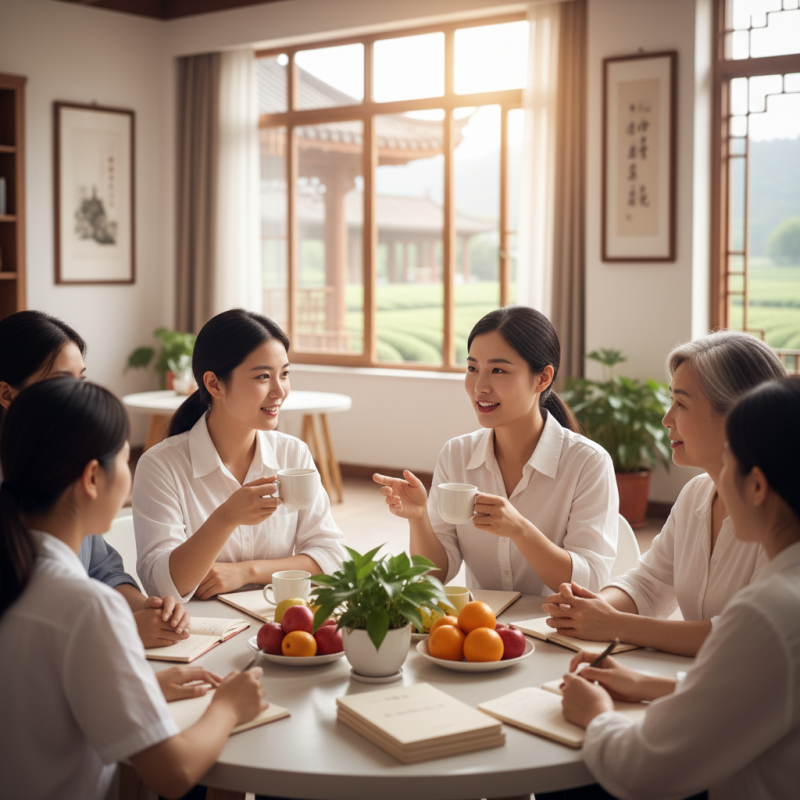
Understanding the Importance of Female Reproductive Health in China
Female reproductive health is a crucial aspect of women's overall well-being in China. Understanding this importance is vital for empowering women and improving health outcomes. Many women still face stigma when addressing these issues. Awareness is the first step toward a healthier future.
Education on reproductive health should be more accessible. Comprehensive programs can help women learn about their bodies. Regular health check-ups can reduce the risks of various conditions. It's essential to create safe spaces for discussions about reproductive health. This can help combat misinformation.
Cultural beliefs often hinder open conversations about health. Some women might feel uncomfortable seeking help. They may also lack knowledge about their rights. Providing reliable information can build trust.
Utilizing local health workers to disseminate knowledge can bridge gaps in understanding. Prioritizing reproductive health can lead to a more educated community. This will ultimately empower many women across the nation.
Common Reproductive Health Issues Faced by Women in China
In China, many women face significant reproductive health issues. The World Health Organization (WHO) states that about 1 in 5 women experience reproductive health problems. These can include menstrual irregularities, pelvic pain, and infertility challenges. These conditions often go unaddressed, affecting overall wellbeing.
Health data shows that 30% of women in urban areas report menstrual disorders. Stress and lifestyle choices contribute to these statistics. Conditions like polycystic ovary syndrome (PCOS) affect at least 6-15% of reproductive-aged women. Awareness and early diagnosis are critical for management.
Infertility is another pressing issue. Approximately 20% of couples in China experience infertility, with female factors contributing to about 50% of these cases. Traditional beliefs may hinder discussions about reproductive health. Women often feel stigmatized, making it difficult to seek help. Addressing these cultural barriers is essential for promoting better health outcomes.
Lifestyle Changes to Enhance Female Reproductive Health
Making lifestyle changes can significantly improve female reproductive health. Maintaining a balanced diet is essential. Consume plenty of fruits and vegetables. Foods rich in omega-3 fatty acids can support hormonal balance. Ensure adequate hydration; water is crucial for overall health.
Regular physical activity is equally important. Aim for at least 30 minutes of exercise most days. This can help manage stress and maintain a healthy weight. High stress levels can disrupt hormonal balance. Incorporate relaxation techniques such as meditation or yoga.
Getting enough sleep is vital for reproductive health. Aim for 7-9 hours per night. Poor sleep can lead to hormonal irregularities. Building a consistent sleep schedule can help. Always consult a healthcare professional before making significant lifestyle changes. These adjustments may not work for everyone. It’s essential to reflect on personal health needs.
Top 10 Tips for Improving Female Reproductive Health in China
The Role of Nutrition in Supporting Reproductive Wellness
Nutrition plays a vital role in supporting reproductive wellness for women. A balanced diet rich in vitamins and minerals can enhance fertility and overall reproductive health. Consuming foods high in antioxidants can protect eggs from damage. Leafy greens, nuts, and berries are excellent choices.
Healthy fats are essential too. Incorporating sources like avocados, olive oil, and fatty fish can improve hormonal balance. It's crucial to include protein from both plant and animal sources. Lentils, beans, and lean meats contribute significantly to reproductive health. However, many women overlook the importance of portion control and moderation.
Hydration is often underestimated. Drinking enough water supports bodily functions, including reproduction. On the flip side, excessive caffeine and sugar can disrupt hormonal balance. Women should reflect on their dietary choices and adjust accordingly. Prioritizing nutrition is key. It not only benefits reproductive health but also enhances overall well-being.
Accessing Healthcare Services for Female Reproductive Health Needs
Accessing healthcare services for female reproductive health in China remains a substantial challenge for many women. Despite government efforts to improve healthcare access, barriers still exist. Long wait times in clinics can deter women from seeking essential services. Cultural stigma also plays a role in preventing open discussions about reproductive health, leading to a lack of awareness. Women are often unaware of their rights regarding healthcare options.
Furthermore, rural areas face even greater difficulties. Limited facilities and a shortage of trained medical professionals hinder access. Women in these regions may rely on traditional medicine or unverified local remedies. This reliance can perpetuate misinformation about reproductive health. Education on available healthcare options is crucial for women to make informed decisions.
Healthcare services must adapt to meet the unique needs of women. This includes creating more accessible resources and providing culturally sensitive education. Improving transportation options to health facilities can also reduce barriers. Women deserve the right to knowledge and care without fear or shame, but systemic change is required. Ongoing dialogue and education are vital to foster a supportive environment for women's reproductive health.