10 Essential Tips for Choosing the Right C Arm Image Intensifier
In the world of medical imaging, selecting the appropriate C Arm Image Intensifier is vital for ensuring optimal diagnostic outcomes. The right choice can significantly enhance procedural accuracy and patient safety.
Dr. Jane Holloway, a prominent radiologist at the National Institute of Health, emphasizes the critical nature of this decision:
“Choosing the right C Arm Image Intensifier is not just a technical decision; it is a commitment to providing the best care for our patients.”
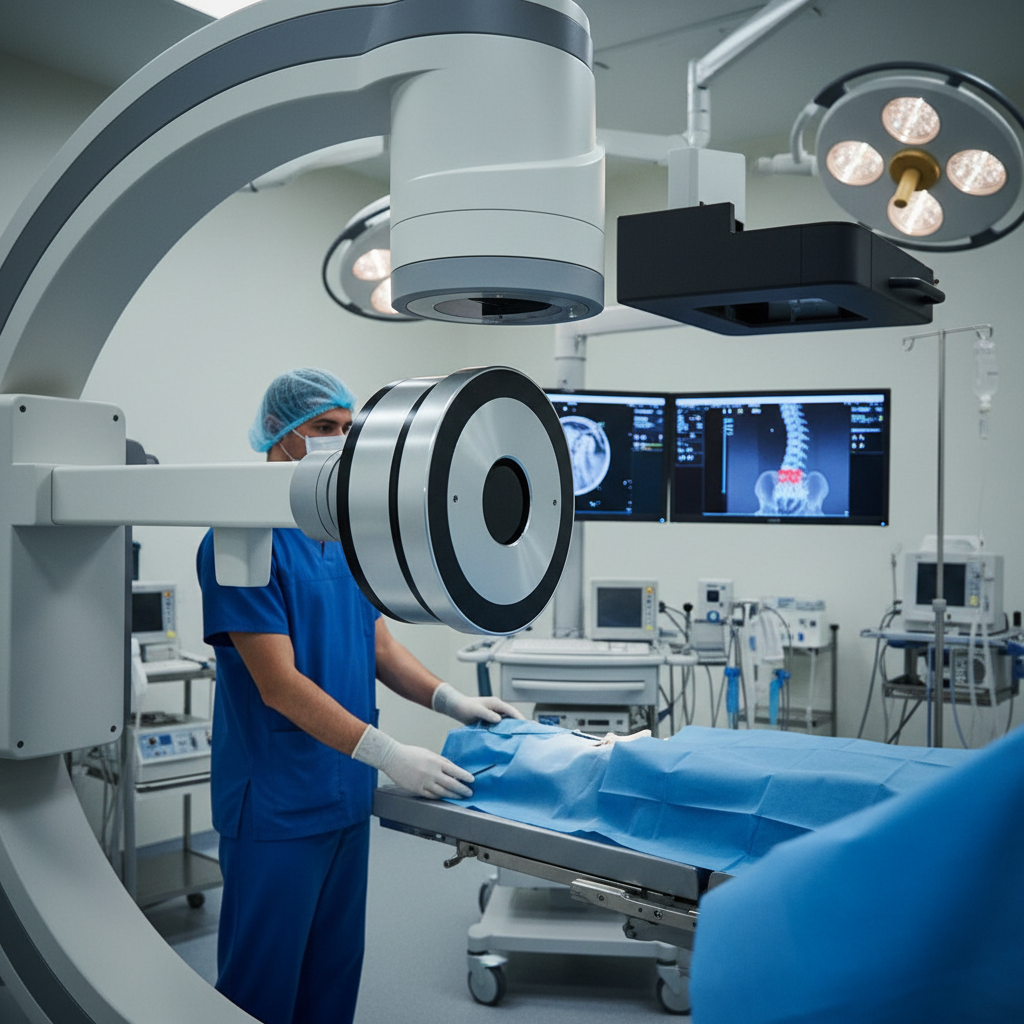
As healthcare technology continues to evolve, so does the complexity of equipment choices, particularly when it comes to C Arm Image Intensifiers. With numerous options available, practitioners must consider various factors that influence performance and usability.
Features such as image quality, ease of maneuverability, and patient comfort should all weigh heavily in the decision-making process.
This guide aims to provide essential tips and insights to navigate the selection of the right C Arm Image Intensifier, ensuring that healthcare professionals are equipped with the knowledge needed to make informed choices that impact patient care positively.
Key Factors to Consider When Selecting a C Arm Image Intensifier
When selecting a C Arm image intensifier, it is essential to consider several key factors to ensure optimal performance and efficiency. These devices play a crucial role in various medical procedures, and with the U.S. C Arm market projected to grow from $950 million in 2023 to $1.3 billion by 2030 at a CAGR of 4.6%, understanding what to look for is more important than ever. Factors such as image quality, ease of use, mobility, and patient safety should be at the forefront of decision-making.
One of the primary considerations is the image quality provided by the intensifier, which directly impacts diagnostic accuracy. Higher resolution and better contrast can significantly enhance the visibility of anatomical structures, thereby improving procedural outcomes. Furthermore, evaluating the mobility and ergonomics of the C Arm can provide healthcare professionals with the flexibility and maneuverability needed in often cramped clinical environments. Lastly, incorporating safety features, such as radiation shielding, is vital to protect both the operator and patients from unnecessary exposure. By keeping these factors in mind, healthcare institutions can make informed investments that will bolster their operational efficiency and patient care quality.
10 Essential Tips for Choosing the Right C Arm Image Intensifier
| Factor |
Description |
Importance Level |
| Image Quality |
Assess resolution, contrast, and clarity for optimal diagnostics. |
High |
| Portability |
Consider weight and maneuverability for ease of use. |
Medium |
| Cost |
Evaluate budget compatibility and total cost of ownership. |
High |
| Software Features |
Look for advanced imaging software and user-friendly interfaces. |
Medium |
| Customer Support |
Assess availability and quality of technical support services. |
High |
| Certifications |
Verify compliance with industry standards and regulations. |
High |
| Battery Life |
Consider duration and recharge times for uninterrupted use. |
Medium |
| Overall Design |
Examine ergonomic aspects that enhance operator comfort. |
Medium |
| Warranty and Service Plans |
Review warranty terms and available service agreements. |
High |
| User Reviews |
Read feedback from current users to gauge reliability and performance. |
Medium |
Understanding Different Types of C Arm Image Intensifiers
When it comes to selecting the right C Arm image intensifier, understanding the different types available is crucial. C Arm image intensifiers are integral in interventional procedures, impacting the quality of imaging and the overall success of surgeries. The market for intraoperative imaging is projected to grow significantly, from $2.94 billion in 2024 to $4.61 billion by 2032, highlighting the increasing demand and advancements in this technology.
One essential tip for choosing the right C Arm image intensifier is to consider the imaging technology used. Different models may employ various forms of imaging such as flat-panel detectors or image intensifiers. Each has its advantages, and understanding these can lead to better imaging outcomes. Additionally, it’s important to evaluate the machine's compatibility with other medical devices and the specific needs of your surgical procedures.
Another critical factor is the support and service available for the C Arm. Opt for brands that offer reliable customer service and maintenance options, ensuring that you can resolve any technical issues efficiently. Remember, investing in a quality C Arm image intensifier not only improves surgical precision but also enhances patient safety during interventional procedures.
Evaluating Image Quality and Performance Characteristics
When selecting the right C-arm image intensifier, evaluating image quality and performance characteristics is crucial. Image quality is often assessed through multiple criteria, including spatial resolution, contrast resolution, and noise levels. Understanding these parameters helps clinicians determine the adequacy of the equipment for their specific applications. High spatial resolution enables detailed visualization of anatomical structures, while improved contrast resolution aids in distinguishing between tissues with similar densities, essential for accurate diagnostics.
Performance characteristics such as dose efficiency and operational flexibility are also vital. A C-arm that offers lower radiation doses without compromising image quality is preferable, particularly in procedures that require prolonged exposure. Additionally, the system's adaptability to different clinical environments, including portability and user-friendly interfaces, can significantly impact procedural efficiency and overall patient care.
By focusing on these dimensions, healthcare professionals can make informed choices that enhance imaging outcomes and optimize diagnostic capabilities.
Assessing Portability and Operation Ease for Clinical Use
When selecting the right C arm image intensifier for clinical use, assessing portability and ease of operation is paramount. Recent advancements in portable medical devices underscore the importance of compact design and functionality. For instance, the introduction of portable and smartphone-attachable devices, such as the Smart Eye Camera for evaluating corneal ulcers, demonstrates not only the trend towards mobility in medical imaging but also enhances access to timely assessments in clinical settings. In a study highlighting the value of portable imaging tools, the need for rapid diagnosis and feedback during procedures is emphasized, showing that effective device design can significantly improve patient outcomes.
Moreover, the development of portable mixed reality navigation systems for neurosurgery presents a compelling case for portable technology integration into medical frameworks. This innovation allows practitioners to navigate complex procedures with real-time visual support, thus optimizing surgical precision and safety. Industry reports indicate that portable imaging technologies are expected to grow significantly, driven by their versatility and ability to provide critical, bedside evaluations. As healthcare moves towards more dynamic and accessible solutions, ensuring the chosen C arm image intensifier is both portable and user-friendly will be essential for effective clinical practices.
Budgeting for C Arm Image Intensifiers: What You Need to Know
When budgeting for C-arm image intensifiers, it's essential to consider the transition from traditional analog systems to more advanced digital technologies. The introduction of digital flat plate detectors has revolutionized the market, allowing facilities to convert their existing models into digital systems without the need for a complete overhaul. This approach not only keeps radiology department expenses down but also enhances imaging quality and workflow efficiency.
When selecting the right C-arm image intensifier, remember these tips:
- Assess your specific imaging needs and patient volume to determine the appropriate technology level.
- Consider the longevity and support for the equipment; investing in a system that can be upgraded or serviced easily will save costs in the long run.
- Evaluate the compatibility of the system with your existing infrastructure, as seamless integration can significantly reduce additional expenses associated with new installations.
As the surgical X-ray market begins to recover and shift towards more modern 2D FPD technology, being well-informed on budgeting and technology options will position your facility for success. Keeping these considerations in mind will help you make a sound investment in your imaging capabilities.