Why Are Food Safety Kits Essential for Home Cooks?
Food safety is a crucial aspect of home cooking. Yet, many cooks overlook the importance of proper hygiene and safe food handling. "Food Safety Kits are essential for every kitchen," says Dr. Emily Harper, a food safety expert. These kits can help mitigate risks associated with foodborne illnesses.
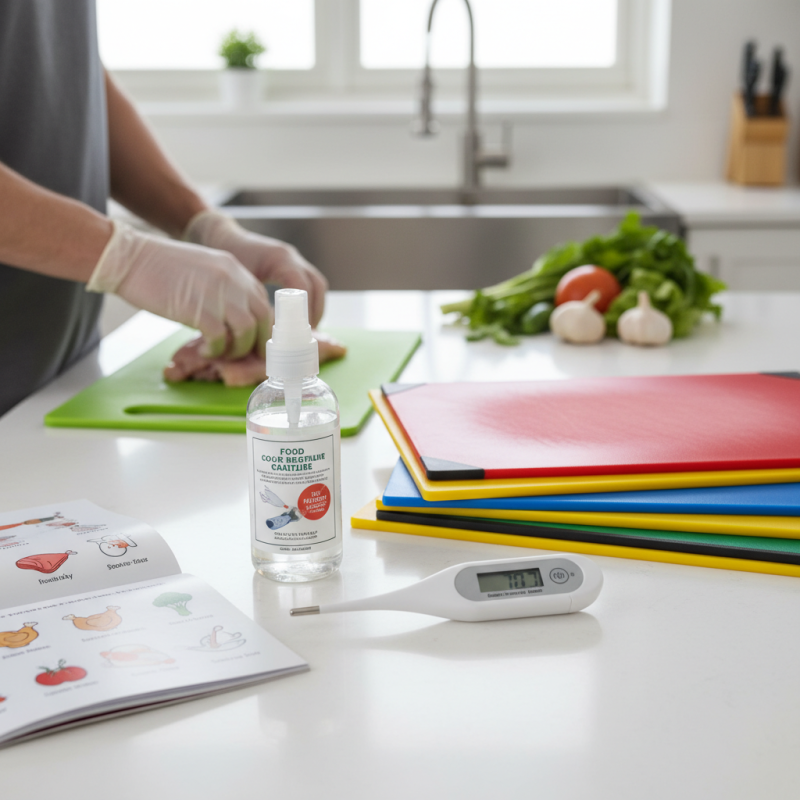
Imagine having a set of tools that guides you on proper food handling. Food Safety Kits offer this guidance. They can include thermometers, sanitizers, and instructional materials. However, inadequate attention to these tools can lead to mistakes. Many cooks fail to use them effectively, jeopardizing food safety.
Cooking should be a joyful experience. But without the right precautions, it can quickly become dangerous. Food Safety Kits remind us of what we often overlook. While we enjoy creating meals, we must not ignore safety. Taking food safety seriously is a reflection of responsible cooking.
The Importance of Food Safety in Home Cooking
Food safety is a critical concern for home cooks. The CDC reports that 1 in 6 Americans fall ill from foodborne diseases each year. This statistic highlights the need for vigilance in the kitchen. Contamination can occur at any stage: from purchasing to preparation. A simple mistake, like using the same cutting board for raw meat and vegetables, can lead to serious health risks.
Understanding food safety principles is essential. For instance, the USDA recommends cooking meat to the right internal temperature. These temperatures prevent harmful bacteria from surviving. Despite this knowledge, many home cooks overlook basic safety practices. Studies show that nearly 50% of home cooks do not use food thermometers consistently. This inconsistency can put both the cook and their family at risk.
Home cooks often prioritize taste and presentation over safety. However, neglecting food safety can lead to tragic consequences. A recent industry survey revealed that only 30% of individuals wash their hands properly after handling raw foods. This lack of awareness needs to change.
Food safety kits can serve as essential tools. They remind cooks of safe practices and help reduce the likelihood of foodborne illnesses.
Common Food Safety Risks and Their Impact on Health
Food safety risks can significantly impact health. Improper food handling often leads to contamination. This can cause various foodborne illnesses. Symptoms may include vomiting, diarrhea, and fever. Some illnesses can be severe and require medical attention. Home cooks need to be aware of these dangers.
Raw meats are a common source of bacteria. Cross-contamination often happens if cutting boards are not sanitized. Storing food at the wrong temperatures can encourage bacteria growth. Foods left out for too long can spoil quickly. Home cooks should invest in proper thermometers. Knowing safe cooking temperatures is crucial.
Another concern is improper washing of fruits and vegetables. Even organic produce can carry harmful pathogens. Rinsing them under running water helps reduce risks. However, not everyone does this consistently. Regularly checking expiration dates can prevent illness too. Home cooks should reflect on their habits. Simple changes can make a big difference.
Essential Components of a Food Safety Kit for Home Cooks
A food safety kit is essential for every home cook. It prepares individuals to handle food safely and prevent contamination. Key components include thermometers, gloves, and sanitizers. For instance, improper cooking can lead to foodborne illnesses, affecting 48 million Americans annually, according to the CDC.
A reliable food thermometer is crucial. Many people underestimate its importance. Some cooks rely solely on cooking times. Unfortunately, this method can be misleading. For meats, the USDA recommends temperatures of 165°F for poultry and 145°F for fish. Gloves help reduce cross-contamination. Yet, many do not use them correctly, leading to food safety risks.
Sanitizers are another vital element. Proper cleaning of surfaces can significantly reduce harmful bacteria. The FDA states that unclean kitchen surfaces contribute to foodborne illness outbreaks. However, many home cooks overlook this step. Disinfecting with appropriate solutions can save lives. As kitchens become more complex, the need for an effective food safety kit grows. Being mindful of these components helps ensure safe cooking practices.
How to Use Food Safety Kits Effectively in the Kitchen
Effective use of food safety kits in the kitchen is crucial for home cooks. According to the CDC, about 48 million Americans get sick from foodborne illnesses each year. Using a food safety kit can significantly reduce those risks. Essential items include thermometers, sanitizing wipes, and food storage bags. Proper cooking temperatures are vital; using a thermometer can prevent undercooked meat, which is a common issue.
When using a food safety kit, it’s essential to understand cross-contamination. The USDA states that 80% of all foodborne illnesses stem from this issue. It’s crucial to use separate cutting boards for meat and vegetables. In reality, many home cooks often overlook this. They may think rinsing surfaces is enough. However, without proper sanitization, bacteria can linger.
Many kits also include color-coded tools. This can help prevent mistakes in the kitchen. Yet, even with these tools, many still waste food due to improper storage. A report from the Food Waste Reduction Alliance notes that 30-40% of the food supply in the U.S. goes to waste. Assessing your food safety practices can greatly affect health and reduce waste. Embracing a dedicated food safety kit is not just smart; it’s necessary in today’s kitchen.
Why Are Food Safety Kits Essential for Home Cooks? - How to Use Food Safety Kits Effectively in the Kitchen
| Aspect | Importance | Usage Tips |
| Personal Hygiene | Prevents cross-contamination | Always wash hands before handling food |
| Kitchen Tools | Ensures accurate measurements | Use separate cutting boards for meat and vegetables |
| Thermometers | Checks food is cooked to safe temperatures | Calibrate thermometers regularly |
| Food Storage | Prevents spoilage and bacterial growth | Store perishable items in the fridge |
| Cleaning Supplies | Reduces risk of contamination | Clean surfaces and utensils often |
Maintaining Food Safety Standards: Best Practices for Home Cooks
Food safety is vital for home cooks. It affects health and influences culinary outcomes. According to the CDC, approximately 48 million Americans fall ill due to foodborne illnesses each year. Improper handling of raw ingredients is a common cause. So, maintaining food safety standards is crucial.
One practical tip is to keep raw meats separate from other foods. This prevents cross-contamination. Use separate cutting boards and utensils. The USDA suggests cleaning surfaces with hot, soapy water before and after use to minimize risks. Additionally, ensure your refrigerator is at or below 40°F to inhibit bacterial growth.
Temperature control is also essential. Cook foods to the right internal temperatures to kill harmful pathogens. For example, poultry should reach 165°F. Not everyone checks food with thermometers, but it’s a necessary step. Reflect on your cooking habits: do you often skip this step? Food safety kits can provide essential tools like thermometers and sanitizers. They serve as reminders to take food safety seriously, ensuring your meals are both delicious and safe.