How to Choose the Best Diode Laser Machine for Your Business?
Choosing the right Diode Laser Machine for your business can be challenging. The options available are vast and varied. With technology advancing rapidly, machines offer different features and benefits. It's crucial to understand each aspect before making a purchase.
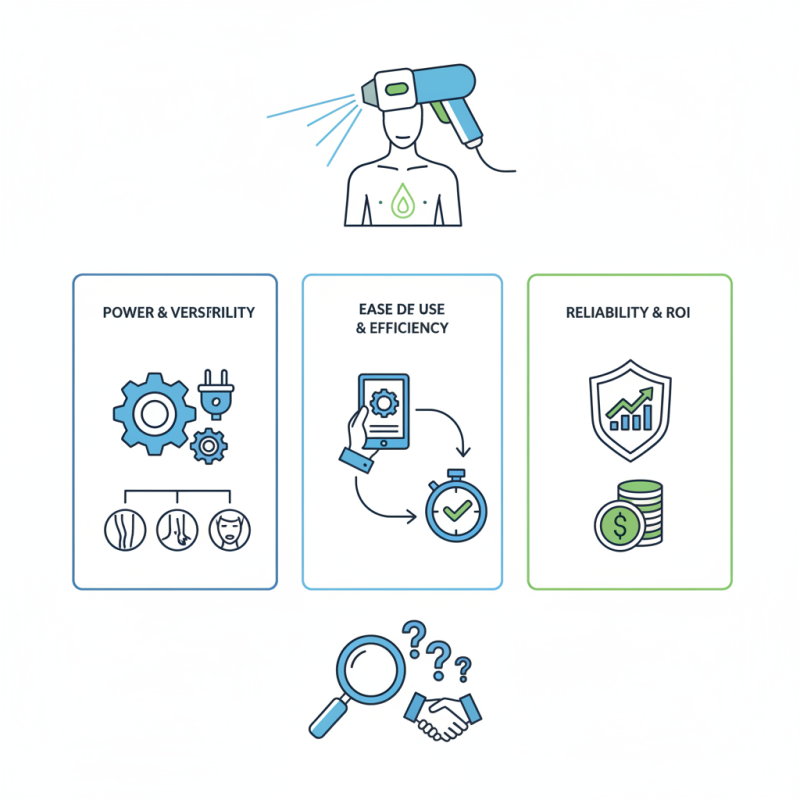
A reliable Diode Laser Machine can boost productivity and improve service quality. However, many buyers overlook essential factors. For instance, consider the machine's power output, versatility, and ease of use. These elements directly affect operational efficiency. Evaluating these details can ensure a better return on investment.
As you explore the market, watch out for misleading claims. Some machines may promise more than they deliver. It's essential to consult industry experts to gain insight. Their knowledge can help you avoid costly mistakes. Making an informed choice can shape your business's future and ensure success.
Factors to Consider When Choosing a Diode Laser Machine for Business
Choosing the right diode laser machine for your business is crucial. Several factors should guide your decision. Start by assessing your specific needs. Consider the types of materials you will work with. Some lasers excel at cutting metal, while others are better for skin treatments or textile engraving. Matching your machine to your operational goals is vital.
Power and wavelength are key features to evaluate. Higher power typically means faster cutting and deeper penetration. However, it also translates to increased cost. Wavelength affects material compatibility. A machine that works well on one material may not be suitable for another. Research the specifications thoroughly. Look for credible sources or reviews from experienced users.
Durability and support are equally important. A robust machine can withstand constant use. Evaluate the warranty and customer support options. Issues will arise, and having reliable assistance is essential. Lastly, consider the learning curve. Some machines are more user-friendly than others. Training time can affect your productivity. Balancing these elements can lead to a more informed choice for your business.
How to Choose the Best Diode Laser Machine for Your Business?
| Parameter | Description | Importance Level |
| Wavelength | Choose a wavelength suitable for your target application (hair removal, skin treatments, etc.). | High |
| Pulse Duration | Shorter pulse durations are better for treating specific skin types and conditions. | Medium |
| Cooling System | Integrated cooling systems can enhance patient comfort during treatments. | High |
| Machine Size | Size and portability matter for clinic setup and mobility. | Medium |
| User Interface | A user-friendly interface ensures easier operation and training. | High |
| Support and Training | Ensure adequate training and support are available for users. | High |
| Price | Consider the cost versus features to ensure value for investment. | Medium |
Understanding Different Types of Diode Laser Machines and Their Uses
Choosing the right diode laser machine can significantly impact your business. Understanding the different types available is crucial. Diode lasers are commonly used in various applications, including hair removal, skin treatments, and industrial processes. According to a recent market report, the global market for laser hair removal is expected to reach over $1.2 billion by 2026, indicating a demand for effective and precise technology.
Firstly, consider the type of diode laser machine suited for your needs. The most common types include solid-state, fiber, and semiconductor lasers. Solid-state lasers typically provide high output power, ideal for industrial applications. Semiconductor lasers, on the other hand, are known for their compact size and efficiency, making them suitable for medical and cosmetic procedures. Interestingly, while semiconductor lasers have become more popular, there may be variations in treatment outcomes.
Moreover, user experience can vary based on machine settings and operator skill. A study suggests that proper training can enhance performance by as much as 30%. This variation illustrates the importance of investing in operator education alongside acquiring the machine. Frequent maintenance is also vital to ensure consistent results. Neglecting these factors may lead to suboptimal results and customer dissatisfaction, creating challenges for businesses in this competitive market.
Evaluating Power Output and Wavelength Specifications for Effectiveness
When choosing a diode laser machine, evaluating power output is crucial. The power output determines the machine's effectiveness for specific tasks. Higher power typically means quicker treatment times and better results. However, more power also comes with increased risks. Users should understand the safety protocols associated with higher wattage.
Wavelength specifications are equally important. Different wavelengths penetrate the skin to varying depths. Shorter wavelengths treat surface-level issues, while longer wavelengths are better for deeper treatments. It’s essential to match the desired application with the appropriate wavelength. A mismatch can lead to inadequate results or even client dissatisfaction.
Finally, consider how these factors fit the unique needs of your business. Reflect on your target audience and the services you wish to provide. Research thoroughly and seek expert opinions if necessary. Making informed decisions now will save costs and enhance client satisfaction in the long run.
Assessing Maintenance and Operational Costs of Diode Laser Equipment
When evaluating the maintenance and operational costs of diode laser equipment, a few key factors emerge. Understanding these costs is crucial for making informed decisions for your business. A report from the Laser Institute of America highlights that regular maintenance can account for up to 15% of operational expenses. This figure underscores the importance of choosing reliable equipment that minimizes breakdowns.
Maintenance costs can vary greatly based on the machine's complexity. For instance, simpler diode lasers may require less frequent service, potentially saving hundreds annually. Additionally, training staff on proper use can prevent misuse, which leads to unexpected repair costs. According to a survey by industry experts, nearly 30% of companies reported increased expenses due to inadequate training on laser equipment.
Moreover, operational costs extend to energy consumption and consumables. Diode lasers are typically more energy-efficient than other options. However, it’s essential to consider the energy rates in your region. Some businesses experience unexpected spikes in energy costs, affecting profitability. Understanding these nuances will aid in selecting the best diode laser machine, ensuring it fits within your budget while meeting operational demands.
Industry Trends: Market Demand and Future Prospects for Diode Lasers
The demand for diode lasers is on the rise. A recent market report indicates that the diode laser market is projected to grow to $3.1 billion by 2026, reflecting a compound annual growth rate (CAGR) of 5.2% from 2021. This growth is driven by their increasing use in medical, industrial, and consumer applications. As businesses explore these technologies, understanding market trends becomes crucial.
Business owners should consider advancements in diode laser technology. Reports show the medical sector accounts for nearly 60% of laser systems used globally. Such data highlights the potential for profitable ventures in aesthetic treatments and surgical procedures. However, businesses must be mindful of the high initial investment. Market entrants often underestimate the importance of ongoing maintenance and training costs.
Market forecasts suggest a shift towards more eco-friendly laser solutions. This trend aligns with growing consumer preferences for sustainable practices. Companies that adapt to this change can capture a larger share of the market. Yet, it is essential to remain vigilant about evolving regulations and standards in laser applications. Embracing these shifts can lead to new opportunities but may also require significant changes in operational strategy.