
How to Choose Dental Implant Screwdrivers for Global Buyers

Choosing Dental Implant Screwdrivers is more complex than comparing prices or counting pieces in a kit. Global buyers must match each driver with the implant system, connection geometry, and clinical workflow. A driver that fits one hex may damage another interface. Small differences matter.

Experienced purchasing teams inspect tip dimensions, shaft strength, handle grip, and torque compatibility. They also review sterilization instructions, corrosion resistance, and packaging quality. For example, a loose tip after repeated autoclave cycles can interrupt surgery and increase replacement costs. Clear product markings help staff identify the correct driver under bright operating lights.

Reliable suppliers should provide traceable materials, inspection records, and consistent lot information. Buyers should request samples before placing large orders. Testing can reveal wobble, poor machining, or an uncomfortable grip. Independent quality certifications may support supplier evaluation, but certificates should be verified carefully. They are not a substitute for product testing or professional judgment.

Global purchasing adds another layer. Import requirements, labeling rules, language needs, and regional medical-device regulations can differ widely. Buyers should consult qualified regulatory professionals before distribution or clinical use. Do not assume a document accepted in one market will satisfy another.

There is no perfect checklist. I have seen procurement plans focus heavily on unit cost and overlook cleaning efficiency. That mistake becomes expensive later. A balanced evaluation considers safety, compatibility, durability, documentation, and supplier responsiveness. Clinical professionals should confirm final suitability for their implant systems and procedures. The right Dental Implant Screwdrivers support predictable handling, but only when selection remains evidence-based, careful, and open to review.
How to Choose Dental Implant Screwdrivers for Global Buyers

Understanding Dental Implant Screwdriver Types and Their Clinical Uses

Dental implant screwdrivers differ in shape, connection, length, and torque compatibility. Common types include manual hex drivers, ratchet drivers, and contra-angle drivers for surgical handpieces. Each type serves a different clinical situation. Manual drivers offer tactile control during cover screw placement and early component handling. Ratchet drivers help clinicians apply controlled force when seating prosthetic screws.

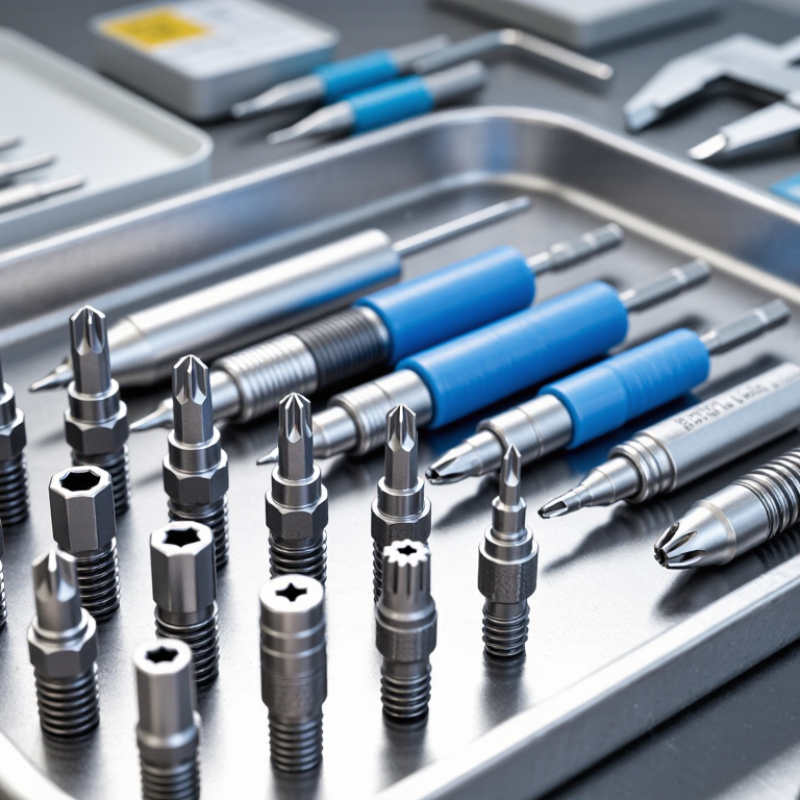
The driver connection must match the implant screw precisely. Hexagonal, star-shaped, and other internal geometries are not universally interchangeable. A loose fit may damage the screw head or reduce torque accuracy. Length also matters. Short drivers suit open surgical access, while longer shafts can reach posterior areas or deep restorative spaces. In my experience, visibility often decides the practical choice more than the catalogue description.

Torque-controlled drivers are important when manufacturers specify a precise tightening range. Clinicians should verify calibration, sterilization instructions, and compatibility with the implant system before use. Cleaning is easy to underestimate. Residue inside the driver can affect engagement and handling. I still recommend checking the tip under magnification, especially after repeated procedures. It takes seconds. A buyer should also examine grip texture, shaft stability, packaging integrity, and local regulatory documentation. Universal-looking tools can be misleading. Sometimes, the safest choice is the less convenient one.

Matching Driver Interfaces with Implant Systems and Screw Designs

How to Choose Dental Implant Screwdrivers for Global Buyers

Selecting a dental implant screwdriver starts with the interface, not the handle. Common designs include internal hex, external hex, Torx-style, and square drives. The driver must match the implant system, screw recess, and engagement depth.

A loose fit can damage the recess or reduce torque transfer. A deep fit may contact the screw bottom and create false stability.

Screw design changes the choice. Prosthetic screws, healing components, cover screws, and angled-channel screws can require different driver lengths and tip geometries. Check the connection diameter, head profile, working angle, and recommended torque range.

ISO 6789 guidance supports regular torque-tool verification, although many procurement teams focus only on the screwdriver tip. That is a practical weakness.

A calibrated handle cannot correct an incompatible interface.

FDA guidance also stresses validated reprocessing and device compatibility, so sterilization resistance must be confirmed before purchase.

Demand is expanding with treatment access. The WHO Global Oral Health Status Report 2022 estimates that oral diseases affect nearly 3.5 billion people worldwide.

A 2024 market report from Fortune Business Insights estimated the global dental implant market at about USD 5.4 billion in 2023.

These figures do not prove every driver will fit every system. They do show why international buyers need clear compatibility records. Request dimensional drawings, torque limits, material information, and sterilization-cycle data.

Test one sample with the intended screw before ordering volume.

A perfect-looking fit can still be wrong.

Evaluating Materials, Precision, Torque Range, and Sterilization Needs

How to Choose Dental Implant Screwdrivers for Global Buyers

Material selection affects durability, grip, cleaning, and corrosion resistance. Surgical-grade stainless steel is common because it tolerates repeated sterilization. However, material labels alone prove little. Check surface finishing, hardness, and resistance to staining after multiple cycles. A textured handle can improve control with wet gloves, but deep grooves may retain debris. Fit comes first. Small errors matter.

Precision depends on the driver tip, machining tolerance, and connection geometry. The tip should seat fully without rocking inside the screw head. Excess movement can damage edges or reduce torque transfer. Ask suppliers for dimensional tolerances and inspection records. A practical check uses a reference screw and magnification under bright light. I have seen polished tools fail this simple test. Appearance can mislead.

Torque range must match the implant system and the intended procedure. A driver with clear torque markings supports consistent clinical handling. Confirm whether the tool works with a calibrated manual or electronic wrench. Calibration records should be traceable and current. Sterilization needs equal attention. Verify compatibility with validated steam cycles, drying conditions, and repeated exposure. Hinged or multi-part drivers require careful disassembly and inspection. Some cleaning chemicals may dull markings or weaken nonmetal components. Do not assume every reusable driver tolerates every cycle. Supplier instructions should define limits, yet those instructions may feel incomplete. Record cycle counts, inspect the tip regularly, and replace tools showing distortion, corrosion, or poor engagement.

Checking Compatibility, Standards, Packaging, and Supplier Reliability

Choosing dental implant screwdrivers for international purchasing requires more than matching a product photo. Compatibility comes first. Check the implant connection, driver geometry, tip size, shaft length, and torque requirements. A screwdriver that looks suitable may still damage the screw or fail during placement. Request technical drawings, tolerance information, and compatibility tables from the supplier. Fit comes first. Small details matter.

Standards should be verified through clear documentation, not informal promises. Ask whether the instruments follow recognized requirements for medical devices, materials, cleaning, and sterilization. Confirm the stainless-steel grade and surface treatment. Packaging also deserves close attention. Each driver should arrive protected from moisture, scratches, and contamination, with readable labels, batch information, and instructions. For overseas shipments, inspect the outer carton, inner tray, sealing method, and language used on the documents. I once focused on specifications and overlooked unclear package labeling. That created unnecessary warehouse delays.

Supplier reliability becomes visible during ordinary questions. A professional supplier should provide consistent answers, inspection records, sample approval, and realistic delivery dates. Ask how dimensional checks are performed before shipment. Request photos of actual production batches, not only catalog images. Communication speed helps, but technical accuracy matters more. One unanswered tolerance question is a warning. Ask again. Test samples under controlled conditions before placing a large order. Even experienced buyers can miss differences between similar connection systems. Independent review is useful when the application is critical. Keep records of approvals, revisions, packaging changes, and supplier commitments. That evidence supports better purchasing decisions later.

Comparing Costs, Supply Conditions, and Support for Global Purchasing

How to Choose Dental Implant Screwdrivers for Global Buyers

Comparing Costs, Supply Conditions, and Support for Global Purchasing

Dental implant screwdrivers should be assessed beyond their listed price. In purchasing work, I compare material quality, driver compatibility, packaging, and expected service life. A cheaper tool may create replacement costs or procedure delays. Those hidden expenses matter. Confirm whether the screwdriver fits the required implant connection and torque system. Ask for dimensional drawings, test records, and clear product specifications. Reliable documentation supports safer purchasing decisions and internal reviews.

Supply conditions can strongly affect international orders. Check minimum order quantities, production schedules, stock availability, and export packaging. Request a realistic lead time, not only an optimistic estimate. I also examine how the supplier handles damaged packages or inconsistent batches. Small details matter, especially when shipments cross several borders. However, delivery forecasts can still change because of material shortages or customs procedures. Buyers should keep a reasonable backup plan.

Tips: Compare the full landed cost, including freight, duties, inspection, and possible replacements. Request samples before placing a larger order. Test grip, fit, surface finish, and cleaning compatibility under professional procedures. Clarify warranty terms and response times in writing. Technical support should answer practical questions, not simply send a catalogue. A supplier may appear responsive before payment, but post-sale support is the real test. My own evaluations are not perfect, so I record failures and revise the purchasing checklist after each order.

Go to Top