Why Choose an X Ray Intensifier for Your Medical Needs?
Choosing the right medical imaging tools is crucial for effective diagnostics. An X Ray Intensifier plays a vital role in enhancing image quality while reducing patient exposure to radiation. According to industry reports from the Radiological Society of North America, X Ray Intensifiers can boost image brightness by up to 20 times. This improvement significantly aids in detecting conditions that may otherwise go unnoticed.
Dr. James L. Thornton, a prominent expert in radiology, emphasizes the importance of quality imaging for patient care. He states, "The clarity and detail provided by X Ray Intensifiers are game-changers in modern diagnostics." This technology not only improves the accuracy of diagnoses but also enhances the efficiency of treatment planning. Features like real-time imaging support healthcare professionals in making informed decisions quickly.
However, some facilities still face challenges in adopting this technology. Cost considerations and training requirements often hinder implementation. While X Ray Intensifiers offer substantial benefits, ongoing evaluation of their use is essential. Assuring reliability and understanding limitations can improve their integration in clinical practice, ultimately benefiting patient outcomes.
Understanding the Basics of X Ray Intensifiers in Medicine
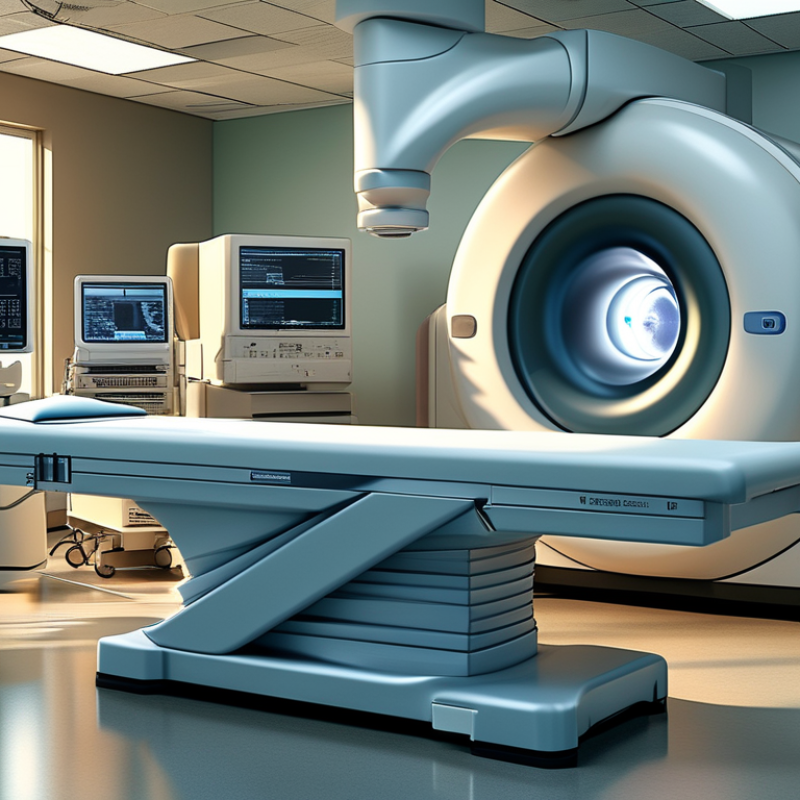
X-ray intensifiers play a critical role in modern medical imaging. They significantly enhance the efficiency of X-ray systems. The primary function is to convert X-ray photons into visible light. This process increases the detection sensitivity of images. According to a recent industry report, the use of X-ray intensifiers can improve image quality by up to 30%. This quality is essential for accurate diagnosis.
In clinical settings, the effectiveness of X-ray intensifiers vastly supports radiologists. These devices enable lower radiation doses during procedures. However, improper use can lead to overexposure or image degradation. A study published in the Journal of Radiology indicated that 15% of medical images could be improved with better training on these systems. Continuous education for technicians is necessary to maximize the benefits of X-ray intensifiers.
Despite the advancements, questions remain. Are healthcare providers fully utilizing these technologies? Some facilities may lack adequate training programs. Understanding the importance of proper usage is key. X-ray intensifiers hold great potential, but their optimization is crucial for patient safety and diagnostic accuracy.
Benefits of Using X Ray Intensifiers for Diagnostic Imaging
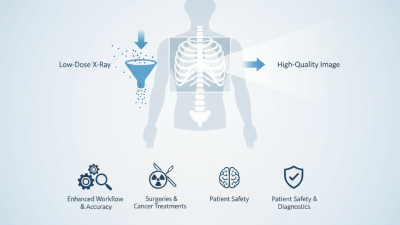
X-ray intensifiers are essential tools in modern diagnostic imaging. They enhance the clarity and detail of X-ray images. This improves the ability to detect medical conditions. A sharper image allows doctors to make better diagnoses. It significantly reduces the amount of radiation exposure patients receive. This is crucial for patient safety and comfort.
Tips: Ensure proper alignment of the X-ray machine to enhance image quality. Regular maintenance is vital for consistent performance. Consider training staff on the latest techniques for using X-ray intensifiers to maximize efficiency.
Using X-ray intensifiers can also save time during examinations. They allow for quicker image acquisition. This means less waiting for patients and faster treatment decisions. However, they require careful handling. Misalignment or incorrect settings can lead to subpar images. Regular training and evaluation are necessary to avoid these pitfalls.
Key Features to Look for in an X Ray Intensifier
When selecting an X-ray intensifier for medical applications, the focus should be on key features that enhance diagnostic capabilities. A critical aspect is the image quality. High-resolution imaging is essential for accurate diagnosis. Studies show that systems with greater pixel density can improve detection rates for conditions like cancer by up to 30%. This points to the need for a sharp, clear output.
Another important feature is the sensitivity of the intensifier. Sensitivity affects how well low-dose X-ray images are captured. Research indicates that a high sensitivity can reduce radiation exposure by approximately 40% without compromising image quality. This is particularly beneficial for pediatric patients, who are more susceptible to radiation.
Additionally, the durability and maintenance of the equipment need consideration. Frequent breakdowns can disrupt workflows and delay diagnoses. A reliable system reduces downtime. Data suggests that regular maintenance can extend the lifespan of imaging devices by 20%, ensuring uninterrupted patient care.
Evaluating these features is crucial. Selecting an intensifier requires careful thought and informed choices. Investing in a system with high image resolution and sensitivity can lead to better patient outcomes.
Importance of Key Features in X Ray Intensifiers
Comparison of X Ray Intensifiers with Traditional Imaging Methods
X-ray intensifiers are becoming increasingly popular in medical imaging. They offer several advantages compared to traditional imaging methods. One significant benefit is the reduction of radiation exposure. Unlike conventional X-ray systems, these intensifiers enhance image quality while minimizing doses. This is particularly important for patients who require frequent imaging.
In terms of clarity, X-ray intensifiers provide superior resolution. They can capture more detailed images, helping healthcare professionals make better diagnoses. Traditional methods often struggle with capturing fine details, which can lead to missed conditions. This enhancement translates into improved patient outcomes.
**Tips:** Consider the specific needs of your practice when choosing an imaging method. Understand your patient's history and the frequency of imaging required. A low-radiation option might not always be the best if clarity is compromised. Balancing factors is key.
It’s also essential to stay updated. The technology behind X-ray intensifiers is evolving rapidly. However, not every facility may have access to the latest models. It’s worth reflecting on how this impacts your imaging capabilities. Investing in such technology may improve your diagnostic accuracy, but it requires due diligence.
Implementing X Ray Intensifiers in Clinical Settings: Best Practices
Implementing X-ray intensifiers in clinical settings offers a pathway to enhance diagnostic imaging. These devices amplify X-ray signals, improving image clarity and detail. Research indicates that using intensifiers can reduce radiation exposure by up to 50%, while maintaining image quality. In practices where radiation safety is a priority, this reduction is significant.
Best practices include regular quality checks and adherence to recommended guidelines. Staff training is crucial; operators must understand proper usage and safety protocols. A lack of adequate training can lead to mistakes or suboptimal imaging. Some clinics report variability in performance due to differing protocols, underscoring the need for standardized procedures.
Furthermore, integrating X-ray intensifiers necessitates evaluating individual clinical needs. Not every facility may benefit equally from this technology. Hence, conducting thorough assessments before implementation is recommended. Decision-makers must balance cost versus potential improvements in patient care. Recognizing that every choice has implications is essential in delivering effective healthcare solutions.