Why Choose Sleep Monitoring Technology for Better Health?
As sleep becomes increasingly recognized as a pillar of health, experts advocate for innovative solutions like Sleep Monitoring Technology. Dr. Michelle Wong, a prominent sleep specialist, emphasizes, "Understanding your sleep patterns is crucial for overall wellness." This technology offers insightful data about sleep quality, duration, and potential disturbances.
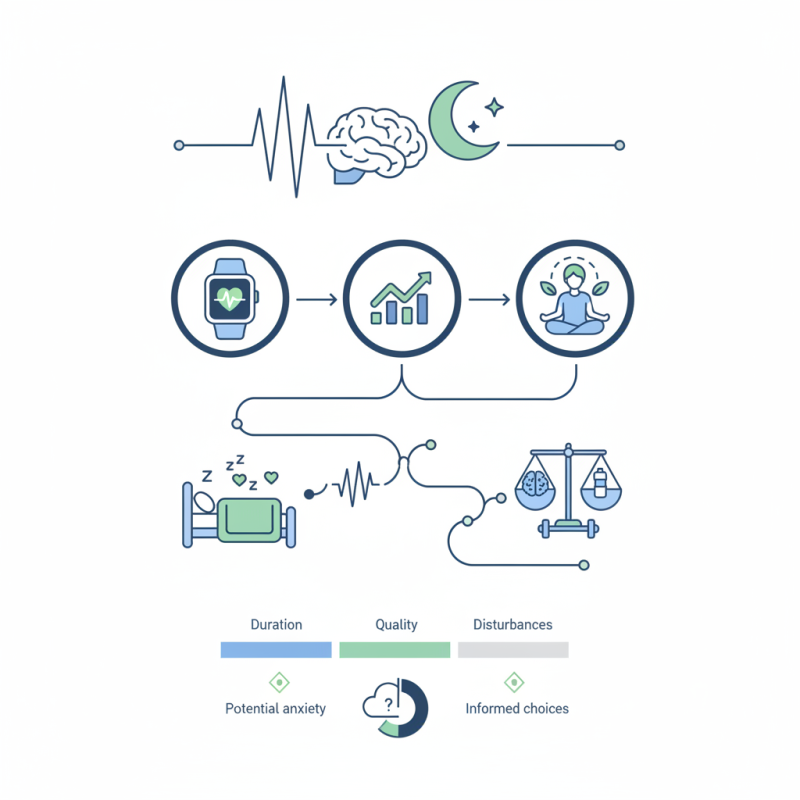
Using devices like smartwatches or sleep trackers, individuals can gain a clearer picture of their nightly rest. They bear witness to sleep cycles, heart rates, and even breathing patterns. With such detailed information, users can make informed choices about lifestyle adjustments. However, it can also lead to anxiety over numbers and perceived imperfections in sleep.
Implementing Sleep Monitoring Technology might seem straightforward, yet it requires careful consideration. Users should reflect on their sleep habits and be open to adjustments based on the data. While the technology offers valuable insights, its effectiveness often hinges on personal commitment and healthy habits. Balancing data with mindful living is essential for true health benefits.
Benefits of Sleep Monitoring Technology for Overall Health Improvement
Sleep monitoring technology serves as a valuable tool for enhancing overall health. It provides insights into sleep patterns that can unveil hidden issues. Many individuals struggle with sleep quality, often unaware of the factors affecting it. By tracking sleep stages, duration, and disturbances, users can identify patterns and make necessary adjustments.
Proper sleep is essential for physical and mental well-being. Studies show that consistent monitoring can lead to significant improvements in sleep quality. Observing trends allows you to understand what impacts your rest. For instance, late-night screen time may disrupt your sleep. Recognizing this can prompt changes that foster better habits.
People sometimes overlook the importance of sleep. It is easy to prioritize work or entertainment over rest. However, chronic sleep deprivation can lead to serious health issues. By investing time in sleep monitoring, you invest in your future health. The awareness gained from tracking sleep can empower you to take proactive steps toward better overall wellness.
Sleep Quality Analysis Using Sleep Monitoring Technology
How Sleep Tracking Devices Work to Enhance Sleep Quality
Sleep tracking devices utilize various technologies to monitor your sleep patterns. These devices collect data by observing your movement, heart rate, and even breathing patterns. By using advanced sensors, they provide insights into the different stages of sleep. You can see how much time you spend in deep, light, and REM sleep. This information is crucial for understanding your sleep quality.
The algorithms behind these devices analyze your data to offer personalized recommendations. They might suggest adjusting your bedtime or creating a relaxing pre-sleep routine. Many users find they appear more rested after following these suggestions. However, the data is not always perfect. Some users report discrepancies in sleep duration or quality. Regular reflection on the device's feedback can help identify patterns or habits that might be impacting your sleep.
These innovations empower individuals to take control of their health. But technology is not a one-size-fits-all solution. Every person’s sleep needs are unique. Evaluating the information critically is essential for maximizing the benefits of sleep monitoring. About 30% of users may not see significant improvements, highlighting the need for a personalized approach.
The Role of Data Analysis in Personalizing Sleep Recommendations
Sleep monitoring technology plays a significant role in our quest for better health. The use of data analysis is crucial to understanding and personalizing sleep recommendations. Different individuals have unique sleep patterns that require tailored approaches. By gathering data from various markers, such as sleep duration, restlessness, and wake times, we can begin to see a clearer picture.
Data-driven insights help identify what disrupts sleep. For instance, some may struggle with insomnia due to stress or lifestyle choices. Others may find that environmental factors, like noise or light, affect their rest. This analysis provides actionable data, allowing individuals to implement changes that could improve their sleep quality. Sometimes, the suggestions might seem simple, yet they can transform a restless night into a peaceful one.
However, relying solely on technology poses challenges. Devices might misinterpret sleep stages or overemphasize minor data points. The importance of human judgment cannot be overlooked. While algorithms can guide us, personal experiences remain vital. Finding the balance between data analysis and intuitive understanding is essential in enhancing sleep health. Engaging in this combined approach can lead to more effective and meaningful sleep solutions.
Why Choose Sleep Monitoring Technology for Better Health? - The Role of Data Analysis in Personalizing Sleep Recommendations
| Feature | Description | Data Utilization | Benefits |
| Sleep Tracking | Monitors duration and quality of sleep | Collects data on sleep cycles | Identifies sleep patterns to improve rest |
| Heart Rate Monitoring | Tracks heart rate during sleep | Analyzes HRV (Heart Rate Variability) | Can indicate overall health and stress levels |
| Sleep Environment Analysis | Assesses room conditions (light, noise, temperature) | Collects environmental data | Improves sleep quality by optimizing conditions |
| Personalized Insights | Provides tailored recommendations based on data | Utilizes machine learning for individualized advice | Enhances user engagement and trust |
| Mobile App Integration | Allows tracking and analysis on mobile devices | Syncs data for real-time monitoring | Convenience and accessibility for users |
Comparative Study: Sleep Monitoring Tools vs. Traditional Sleep Methods
Sleep plays a crucial role in our overall health. Traditional sleep methods rely primarily on subjective assessments, such as keeping a sleep diary or estimating hours spent asleep. While these methods offer some insights, they lack the precision of sleep monitoring technology. Studies indicate that individuals often misjudge their sleep patterns by up to 30%, leading to misunderstandings about their health.
In contrast, sleep monitoring tools use advanced sensors to collect accurate data. A recent analysis by the Journal of Clinical Sleep Medicine reported that these devices can track metrics, such as sleep duration and sleep stages, with 80% accuracy. This level of detail helps users identify sleep disruptions, such as insomnia or sleep apnea, that could otherwise go unnoticed. Users can respond proactively to these issues, potentially reducing the risk of associated health problems, like obesity and heart disease.
Yet, there are challenges with over-reliance on technology. Some users may fixate on data, leading to anxiety rather than improvement. The struggle to interpret this data can also result in confusion. Improvement requires an understanding that raw numbers aren't always indicative of quality sleep. Therefore, a balanced approach that combines technology with expert guidance might yield the best health outcomes.
Future Trends in Sleep Monitoring Technology for Health Optimization
As sleep monitoring technology evolves, its potential for health optimization becomes clearer. Advanced sensors now track various sleep stages, heart rates, and even breathing patterns. These features provide users with a comprehensive view of their nightly rest. Accurate data helps identify issues like sleep apnea or insomnia. Users, however, must learn to interpret this data effectively.
In the future, we can expect even smarter devices. They may use artificial intelligence to offer personalized recommendations based on individual sleep needs. Machine learning could enhance pattern recognition, making insights more actionable. Yet, reliance on technology raises questions about privacy and data security. Users need to consider where their information is stored and how it is used.
Moreover, the psychological impact of constant tracking may not be fully understood. Some might find themselves fixated on numbers, leading to anxiety about sleep quality. Understanding that sleep varies day by day is crucial. Striking a balance between technology use and trust in one’s body remains essential for holistic health.