
China Top PromaCare Squalene Manufacturer and Supplier?

When buyers search for a China-based PromaCare Squalene manufacturer or supplier, the first task is to confirm what the product name represents. Is PromaCare the brand, the manufacturer, or a product distributed through an authorized channel? These details affect traceability, technical support, and who can answer questions about each batch. Clear answers matter.

Squalene is sensitive to oxidation, so handling deserves close attention. Ask for the product specification, certificate of analysis, source information, packaging details, and recommended storage conditions. Check that documents match the product and batch offered. A polished website is not proof of manufacturing capability. Neither is a low price.

A credible comparison should examine consistency, documentation, communication, and delivery reliability—not just a supplier’s headline claim. One question can reveal a lot: “Can you show how this batch is identified and tested?” For accuracy, no named expert quotation is included here: without a verifiable source, attributing a statement to a PromaCare Squalene specialist would risk misleading readers. That omission is deliberate. A confirmed interview or published expert statement would strengthen the article and give buyers a more dependable basis for evaluating suppliers.
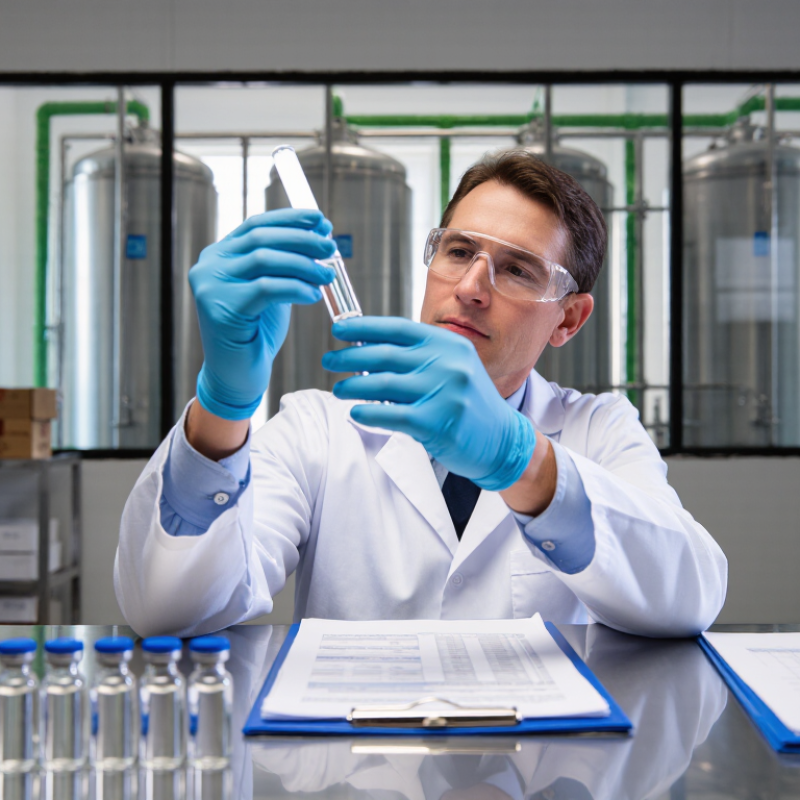
China Top PromaCare Squalene Manufacturer and Supplier?

What Is PromaCare Squalene and How Is It Defined?

Squalene is a naturally occurring lipid and an unsaturated hydrocarbon with the formula C30H50. Human skin produces it as part of sebum, the oily film that helps soften the skin’s surface. It also occurs in certain plant oils. In cosmetics, squalene may serve as an emollient, helping leave skin feeling smoother and less dry. Its many double bonds make it vulnerable to oxidation, however. That can affect odor, color, and shelf stability. Squalane is different: it is the hydrogenated, more stable form. The names are similar, but the ingredients are not interchangeable.

For product development, the source and grade matter. A formulator may check the ingredient’s purity, color, odor, and oxidation-related specifications, alongside supplier documentation. A certificate of analysis can help verify that a particular batch meets stated limits, though it does not replace suitable storage or testing in the finished formula. Squalene should generally be protected from excess heat, air, and light. Small details matter. The word “squalene” alone does not reveal its feedstock, processing history, or performance in every formulation. Those points deserve a closer look, especially when comparing materials offered under the same ingredient name.

What Is Squalene? A Look at Its Molecular Composition

Squalene is a naturally occurring, acyclic hydrocarbon in the triterpene family. Its molecular formula is C30H50; its structure contains six carbon–carbon double bonds and no oxygen atoms.

How Is PromaCare Squalene Produced and Quality-Controlled?

Plant-derived squalene production starts with oil-rich feedstock, such as olive oil. The oil is refined, and its unsaponifiable fraction is separated before squalene is concentrated and purified. A peer-reviewed review by Reddy and Couvreur (2009) reports squalene levels of about 0.1–0.7% in olive oil. That low starting concentration makes extraction efficiency and batch consistency important. Small differences matter.

Quality control follows the material through each step. Manufacturers can confirm identity and assay by gas chromatography, then check oxidation indicators, residual solvents, and trace metals against agreed specifications. Because squalene has multiple double bonds, oxygen, heat, and light can accelerate deterioration. Nitrogen blanketing, closed transfer lines, and amber containers help limit exposure. Samples should also be tested after processing, not only at the feedstock stage. A single clean result is not enough. Records should link each result to its batch and method. Still, no test replaces careful process control; analytical limits and sampling plans need regular review.

Squalene Production and Quality Control: Process Overview

Production or QC Stage Typical Approach Relevant Checks Purpose
Feedstock selection and traceability Squalene may be obtained from plant oils or other permitted sources. The source and processing route depend on the product and applicable regulations. Supplier documentation, source identification, batch records, and applicable contaminant or sustainability documentation. Establishes origin and supports consistent, traceable production.
Oil preparation and extraction The feedstock is prepared, and squalene-containing oil fractions are separated using methods appropriate to the source, such as extraction and oil-processing operations. Process records, intermediate appearance, and checks for process-specific residues where relevant. Recovers the squalene-containing fraction for further purification.
Purification and refining Purification may use operations such as distillation, adsorption, or other separation techniques selected for the feedstock and target grade. Squalene identity and assay; checks for residual solvents or other process-related impurities when applicable. Removes unwanted components and helps achieve the intended product specification.
Identity and composition testing The finished material is tested against an established specification using validated analytical procedures. Chromatographic methods such as GC-FID or GC-MS may be used for identification and composition assessment, depending on the method and specification. Confirms that the material is consistent with the required identity and composition.
Oxidation and general quality checks Samples are assessed using quality tests selected for the product grade and intended use. Peroxide value, acid value, appearance, and odor may be included where specified. Helps assess oxidation, degradation, and conformity with the applicable specification.
Contaminant and microbiological testing Testing is selected according to the material, intended application, and relevant regulatory or customer requirements. Heavy metals may be assessed by ICP-MS or another suitable method; microbial limits may be tested when applicable. Checks that relevant safety and purity requirements are met.
Batch release and storage A batch is released after review of its test results and production records, then packed and stored under conditions specified for that grade. Certificate of analysis review, packaging integrity, lot identification, and storage-condition monitoring. Supports batch traceability and helps maintain quality during storage and distribution.

Note: Production routes, test methods, and acceptance limits vary by feedstock, product grade, intended use, and applicable requirements. Consult the relevant product specification and certificate of analysis for batch-specific information.

Which Industries Use PromaCare Squalene?

Squalene serves several manufacturing sectors, with cosmetics and personal care forming its most visible commercial use. Formulators add it to creams, lotions, facial oils, makeup, and hair-care products to soften skin and improve spreadability. Cosmetics Europe reported €96 billion in European cosmetics and personal-care retail sales during 2023. That figure describes the wider sector, not squalene alone. Grand View Research’s 2023 squalene market analysis identified cosmetics and personal care as the leading application. It estimated the global market at about US$148.7 million in 2022 and projected 10.3% annual growth through 2030. These are estimates, not guaranteed demand.

Pharmaceutical manufacturing is another user. Squalene appears in certain oil-in-water vaccine adjuvant systems, a specialized application with strict quality requirements. Some nutraceutical products also use it as an ingredient, though formulations and sourcing vary. Source matters. Plant-derived and marine-derived supplies can differ in traceability, composition, and sustainability considerations. The boundary between these sectors is not always neat: a cosmetic ingredient and a pharmaceutical-grade material may require different specifications, even when both contain squalene. That distinction deserves closer attention.

How to Assess Chinese PromaCare Squalene Manufacturers and Suppliers?

When assessing Chinese squalene manufacturers and suppliers, look beyond a polished catalogue. Ask for the raw material’s origin, production route, and traceability records. Details matter. A clear answer should connect the source to the batch you may purchase, not rely on broad claims.

Request a recent certificate of analysis and check that it lists measurable specifications, test methods, and batch identification. Compare results across several batches, especially for purity, color, odor, and oxidation indicators. If a result is unclear, ask how it was measured. This sounds basic, yet documentation can be surprisingly thin. Where practical, arrange independent testing on a pre-shipment sample and compare it with the supplier’s report.

Review the quality system, change-control process, and packaging used for storage and transport. Ask how the supplier protects the material from heat, light, and prolonged air exposure. A factory visit or qualified third-party audit can help verify facilities and records, but neither replaces batch checks. Test a sample under your own formulation conditions; a sample that looks fine in a vial may behave differently in a finished product. Keep written records of specifications, approved changes, and delivery performance. Some answers may remain imperfect, so note the gaps before committing to a larger order.

What Certifications and Specifications Should Buyers Verify?

For squalene procurement, verify documents and the material itself. Cosmetics Europe’s 2024 market-performance report estimated European cosmetics and personal-care retail sales at €96 billion in 2023. That scale makes reliable supplier controls important, but market growth alone does not prove ingredient quality. Request current ISO 9001 and ISO 22716 certificates, then check their scope, site address, and expiry date. A certificate is not a purity test.

Review each batch’s certificate of analysis. It should identify the botanical source and report assay, appearance, acid value, peroxide value, and relevant contaminants. Ask for the test methods, acceptance limits, and a recent chromatogram; a percentage without a method is hard to assess. Confirm traceability from raw material to finished lot, plus storage and transport conditions. Squalene can oxidize, so request stability data and packaging details, such as light-protective containers. Some specifications may need adjustment for your formula. Document why.

Tips: Compare two or three batch records, not just a sample COA. Check whether any sustainability or natural-origin claim has independent evidence, and confirm what the certification actually covers. Small details matter. If a supplier cannot explain an out-of-range result or provide a corrective-action record, pause qualification and investigate before placing a larger order.

Go to Top