Best X Ray Intensifiers in 2026 What You Need to Know?
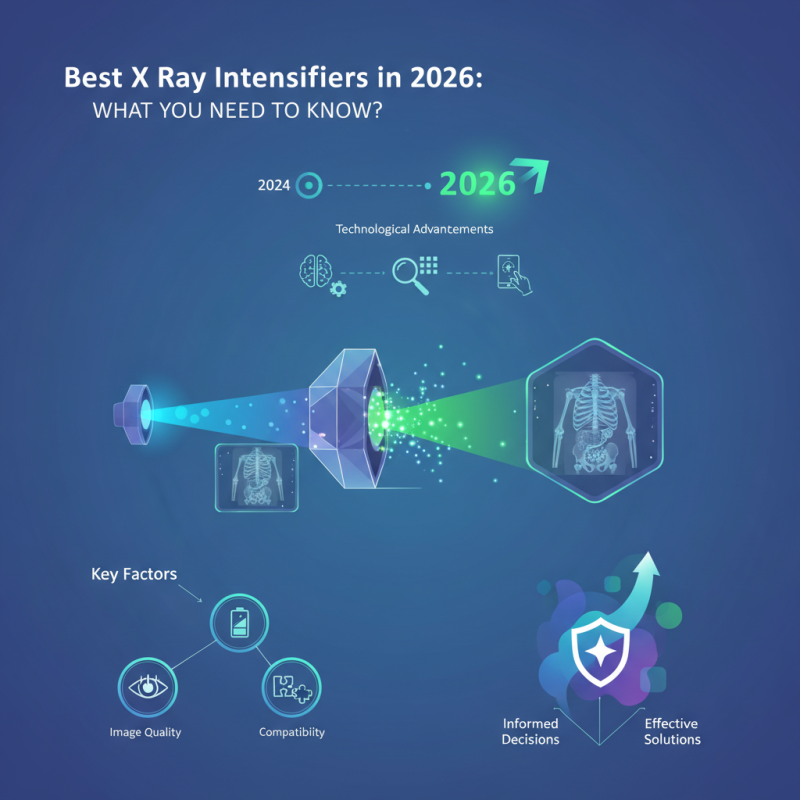
As we approach 2026, the field of medical imaging is evolving rapidly. One of the key components in this transformation is the X Ray Intensifier. These devices play a crucial role in enhancing image quality and supporting accurate diagnoses. Meanwhile, the technological advancements behind X Ray Intensifiers are becoming more sophisticated and user-friendly.
Consider how these systems can amplify weak X-ray signals. This capability is vital for various medical applications. Many practitioners are now exploring new types of intensifiers. However, with so many options available, choosing the right one can be challenging. It's essential to understand the factors that affect performance.
Moreover, there are still questions surrounding compatibility and longevity. The right X Ray Intensifier should fit seamlessly with existing equipment. In this competitive market, making informed decisions is critical. The growing awareness around image quality reflects a heightened need for effective solutions. This article aims to guide you through the landscape of X Ray Intensifiers in 2026.
Overview of X Ray Intensifiers: Function and Importance
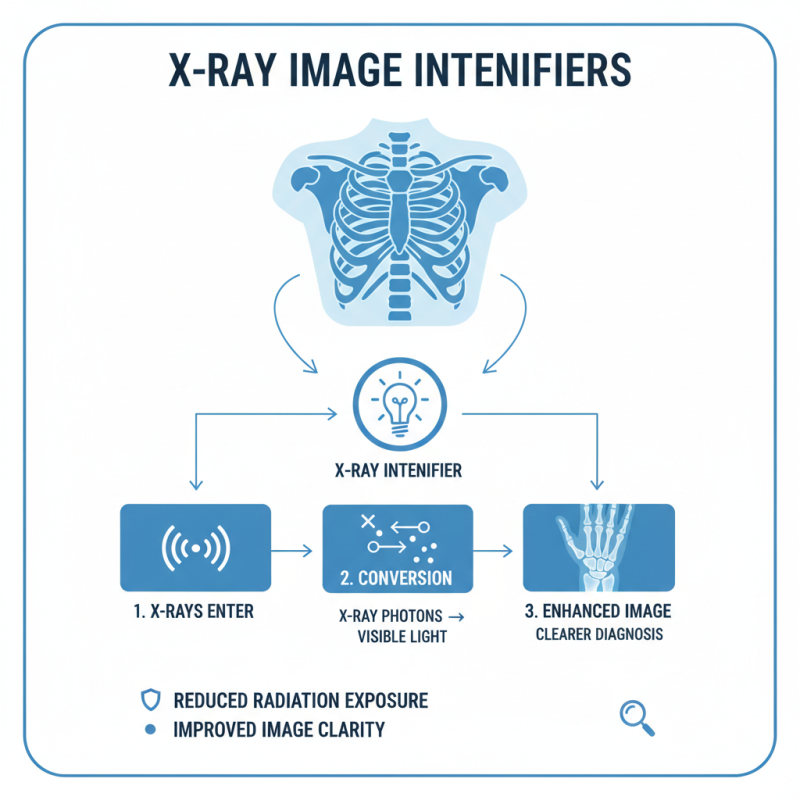
X-ray intensifiers play a crucial role in medical imaging. They enhance the visibility of X-ray images, making them clearer and easier to interpret. By converting X-ray photons into visible light, these devices allow for reduced radiation exposure. This is especially important in diagnostic imaging, as it helps to minimize risks to patients.
Tips: Consider the type of procedure. Different methods may require specific intensifier designs for optimal results. Ensure proper calibration to maintain image quality. This process involves checking alignment and light sensitivity regularly.
Choosing the right X-ray intensifier can be challenging. Factors such as image quality, size, and compatibility with equipment should be considered. Mistakes in selection can lead to poor image resolution. This may result in misdiagnosis or delays in treatment. It's essential to assess the needs of your practice carefully. Balancing cost with quality is also a tricky endeavor. Often, the cheapest option may not meet imaging standards.
Regular maintenance is vital for optimal performance. Neglected equipment can lead to frustrating delays. Users should be trained properly in handling these devices to avoid accidents. Understand the limitations of your equipment. This awareness can prevent overreliance on technology for diagnosis. Keeping these considerations in mind will enhance your X-ray imaging experience.
Key Features to Consider When Choosing X Ray Intensifiers
When selecting X-ray intensifiers, several key features must be considered. The effectiveness of an intensifier relies heavily on its conversion efficiency. This metric indicates how well the device converts X-ray energy into visible light. According to industry reports, the best intensifiers reach efficiencies over 90%. This means they can significantly enhance image quality while reducing radiation exposure.
Image quality is another vital factor. Look for intensifiers that provide high resolution and contrast. A report by Radiology Today suggests that devices with superior contrast can improve diagnosis accuracy by up to 30%. Brilliant images are crucial for precise treatments. Often, higher resolution comes at a cost, so weigh the benefits against your budget constraints.
Tip: Always evaluate the size and weight of the intensifier. A bulky device can complicate maneuverability during procedures. Compact options may be easier to integrate into existing setups.
Another aspect to reflect on is durability. Many intensifiers undergo significant wear. Choosing models with robust housing can save money in the long run. Regular usage can lead to wear and tear, affecting performance. Periodic maintenance is vital, but some materials used in cheaper models may not withstand extensive use.
Tip: Consider the ease of maintenance when selecting an intensifier. Reliable maintenance schedules can prevent downtime and ensure consistent performance.
Top X Ray Intensifiers on the Market for 2026
As we look ahead to 2026, the market for X-ray intensifiers continues to evolve. Recent reports indicate a projected growth rate of 5.6% annually in X-ray equipment utilization. This increase drives demand for more efficient and advanced intensifiers. Healthcare facilities seek products that enhance image quality while reducing radiation exposure.
Several key features to consider include sensitivity, resolution, and overall durability. Sensitivity impacts how effectively the intensifier can capture low levels of radiation. Higher sensitivity translates to better images with lower doses. Meanwhile, resolution plays a crucial role in detecting minute details in scans.
**Tips:** Always compare specifications and user reviews before making a decision. Optimal performance can decline over time; regular maintenance is essential. Moreover, investing in staff training can improve the usage of these advanced tools. A well-trained team can maximize the effectiveness of the new technologies, ensuring better outcomes for patients. As the landscape shifts, staying informed will be key to making the right choices.
Best X Ray Intensifiers in 2026 What You Need to Know?
| Model |
Type |
Resolution (lp/mm) |
Size (inches) |
Price Range ($) |
| Model A |
Flat Panel |
5.0 |
17 x 17 |
$15,000 - $20,000 |
| Model B |
Image Intensifier |
3.5 |
9 x 9 |
$10,000 - $15,000 |
| Model C |
Digital |
6.0 |
14 x 14 |
$18,000 - $25,000 |
| Model D |
Conventional |
4.0 |
12 x 12 |
$12,000 - $16,000 |
| Model E |
Portable |
5.5 |
10 x 10 |
$8,000 - $12,000 |
Future Trends in X Ray Intensifier Technology and Innovation
The landscape of X-ray intensifier technology is changing rapidly. As we move into 2026, several trends are coming to the forefront. Improved materials are making intensifiers more efficient. This efficiency leads to higher image quality. Efficient intensifiers can significantly reduce radiation exposure for patients and practitioners alike. These innovations are essential for enhancing safety.
Another key trend is miniaturization. Smaller devices are becoming more portable, which can be beneficial in various medical settings. With these compact models, accessibility increases. However, there are challenges. Miniaturized devices may have limitations in performance compared to larger ones. Balancing size and efficiency is crucial yet complicated.
Moreover, integration with digital imaging systems is on the rise. Enhancing connectivity between devices streamlines workflows. However, this integration often raises concerns about data security. As technology advances, maintaining patient confidentiality must remain a priority. The evolution of X-ray intensifiers promises transformative benefits but demands careful consideration of potential pitfalls.
Projected Growth of X-Ray Intensifiers by Type (2026)
This chart illustrates the projected growth in the market for various types of X-ray intensifiers by 2026. The data indicates a significant shift towards digital and hybrid technologies, reflecting advancements in medical imaging and increased demand for high-quality diagnostic tools.