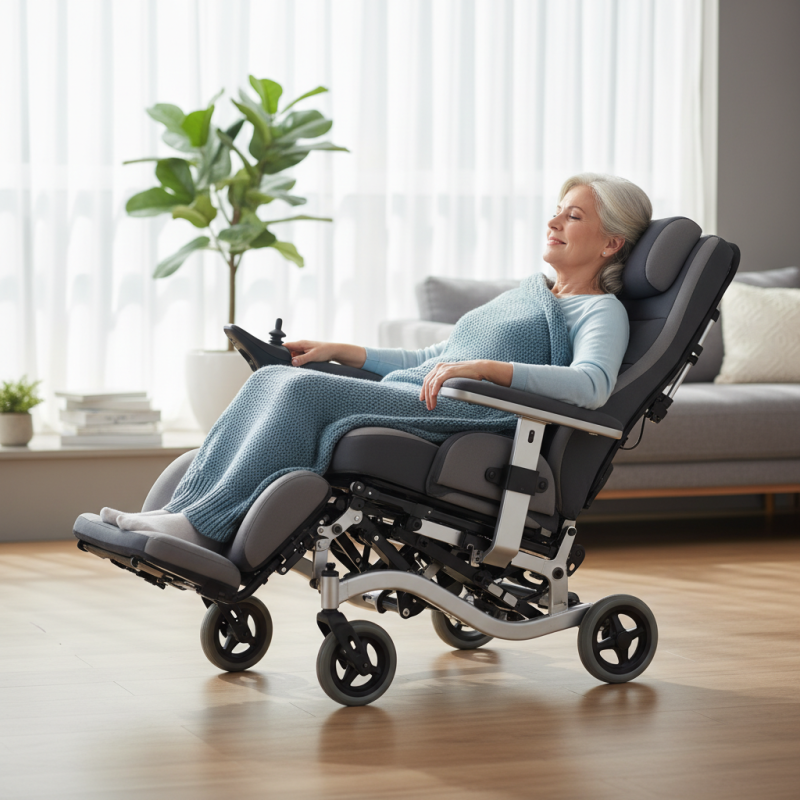
What is the Best Reclining Wheelchair for Your Needs?
Choosing the right Reclining Wheelchair is crucial for comfort and support. A reclining wheelchair offers more than just seating; it provides a way to ease pressure and adjust posture. These wheelchairs can be a lifeline for those with limited mobility.
When selecting a reclining wheelchair, consider specific needs. Look for features that match your lifestyle. For some, weight and size might be essential. Others may need advanced adjustments for medical reasons. They can sometimes feel heavy or bulky. This aspect can lead to challenges in everyday use.
Personal preferences play a significant role. Texture, color, and ease of maneuverability are all worth noting. Take time to test different models. It might take several trials to find the perfect fit. Reflect on comfort levels and ease of use. Making the right choice can greatly enhance your daily life.
Understanding the Different Types of Reclining Wheelchairs Available
When exploring reclining wheelchairs, it’s essential to understand the types available. These wheelchairs can differ greatly in function. Some are designed for basic reclining, while others offer more complex features. A standard reclining wheelchair allows the user to tilt back, providing comfort for shorter periods. This might be ideal for resting or relieving pressure.
On the other hand, some models provide adjustable leg rests and head supports. These features increase comfort and support for longer use. It’s important to assess personal needs and limitations before deciding. Not every feature suits everyone. Sometimes, what seems helpful can be cumbersome or unnecessary, requiring user reflection. Users should weigh these factors carefully before making a choice.
Evaluating Comfort Features: Cushioning and Support in Wheelchairs
When choosing a reclining wheelchair, comfort features are crucial. Statistics indicate that about 70% of wheelchair users prioritize comfort over other features. Cushions play a significant role in this aspect. The right cushioning can help prevent pressure sores. A study showed that users with proper seat cushioning experience fewer discomfort issues.
Support is equally important. Lumbar support reduces back pain for users who sit for extended periods. Proper back support also improves posture. According to a report by the National Institute of Health, poor posture can lead to long-term health problems. Thus, finding a wheelchair that offers adjustable support can be beneficial.
Tips for selecting the right features:
Test the wheelchair if possible. Ensure that the cushioning meets your needs. Think about your daily activities. Does the wheelchair provide the necessary support? If not, rethink your choices. It's okay to seek additional opinions. Comfort matters, and it should not be compromised for style.
Evaluating Comfort Features in Reclining Wheelchairs
Key Specifications: Weight Capacity and Adjustability Matters
When choosing a reclining wheelchair, key specifications can greatly influence your decision. Weight capacity is crucial. A wheelchair that can support greater weight provides stability. It’s important to know your specific needs. This could mean the difference between comfort and discomfort. Look for models with adjustable seating. This allows for better positioning. Different body types require different adjustments.
Adjustability matters a lot in enhancing the user's experience. Not all wheelchairs can recline fully. Some only provide slight angles. This may not suit everyone. Also, check for easy-to-use controls. They should not be too complex. Some users struggle with complicated mechanisms. Small details like armrest height can also make a significant difference.
Visualizing daily use helps in selection. Imagine spending hours in a chair. Comfort becomes a priority. Regularly reassess your choice. What felt perfect yesterday might not feel the same tomorrow. Test options whenever possible. The right wheelchair can improve quality of life. Don't underestimate the impact of adjustability and weight capacity.
Assessing Mobility: Wheelchair Dimensions and Maneuverability Factors
Choosing the right reclining wheelchair is crucial for comfort and mobility. Factors like dimensions and maneuverability significantly impact this choice. When assessing a wheelchair, consider the width and length. A wider chair may provide more comfort but can be harder to navigate through tight spaces.
Maneuverability is often overlooked. How easily can the chair make sharp turns? Can it fit through doorways? You'll want a chair that glides smoothly, especially in crowded areas. Look for wheel size; smaller wheels can make turning easier but may not handle uneven surfaces well. Balancing comfort with functionality is a challenge. You might find a perfect fit for your size but struggle in small areas.
Height adjustments can be beneficial too. A chair that elevates might provide more comfort, but at the cost of portability. Reflect on your daily activities when selecting. Do you navigate busy sidewalks or manage stairs? Each situation demands a different chair design.
Price Range Analysis: Cost vs. Features in Reclining Wheelchairs
When searching for the best reclining wheelchair, price and features are often intertwined. Many options exist, but they differ greatly in cost. A basic model may cost less, yet may not offer the comfort needed for prolonged use. These chairs typically have fewer adjustments and less cushioning. On the other hand, higher-priced models often include advanced features like multiple reclining positions and improved materials.
Think about your specific needs. A more affordable option might have manual recline, which can be limiting for some users. However, a powered recline option can enhance independence but comes at a higher cost. It might be tempting to choose the lowest-priced model. Yet, this decision could lead to discomfort and reduced mobility over time, which is counterproductive in the long run.
Consider durability too. Cheaper options might wear out quickly, leading to higher replacement costs. Investing in a more durable chair can save money over time. Comfort should never be sacrificed for savings. Sometimes, paying more can lead to a better quality of life. Always weigh features against cost thoughtfully for your unique needs.
What is the Best Reclining Wheelchair for Your Needs? - Price Range Analysis: Cost vs. Features in Reclining Wheelchairs
| Model | Price Range | Weight Capacity | Recline Angle | Seat Width | Warranty |
| Model A | $800 - $1,200 | 300 lbs | 45 degrees | 18 inches | 5 years |
| Model B | $1,200 - $1,800 | 350 lbs | 60 degrees | 20 inches | 3 years |
| Model C | $700 - $1,100 | 250 lbs | 40 degrees | 17 inches | 2 years |
| Model D | $1,500 - $2,200 | 400 lbs | 70 degrees | 22 inches | 6 years |