What Are the Best Heparin Tubes for Blood Testing?
Choosing the best Heparin Tubes is not simply a matter of selecting a green cap. Tube chemistry, specimen volume, transport time, and analyzer compatibility can change the final result. Lithium heparin is widely used for plasma chemistry, while sodium heparin may suit specific blood gas or specialized testing workflows. Gel separators can improve handling, but they may create limitations for certain assays. The correct choice depends on the test.
That detail matters.
The World Health Organization has reported that laboratory findings influence approximately 60–70% of clinical decisions. Its Laboratory Quality Management System guidance also identifies specimen collection and transport as critical quality steps. Similarly, CLSI GP41 emphasizes correct patient identification, tube selection, filling, mixing, and processing. CAP Q-Probes studies have repeatedly shown that preanalytical problems contribute substantially to rejected or compromised specimens. These findings support a practical conclusion: a high-quality Heparin Tube cannot correct poor collection technique.
James H. Nichols, PhD, DABCC, a recognized clinical laboratory expert, stated, “The laboratory is responsible for the quality of the test result, regardless of where the testing is performed.” His point extends beyond the analyzer. It includes the tube, the phlebotomist, and the transport route. Industry forecasts, including MarketsandMarkets’ blood collection tubes reports, show continuing demand for standardized collection systems. Yet market growth does not prove universal suitability. Some recommendations remain assay-specific. This guide compares Heparin Tubes by additive, separator design, specimen stability, and documented laboratory requirements. It also examines an uncomfortable issue: the “best” tube may still fail when handling practices are inconsistent.
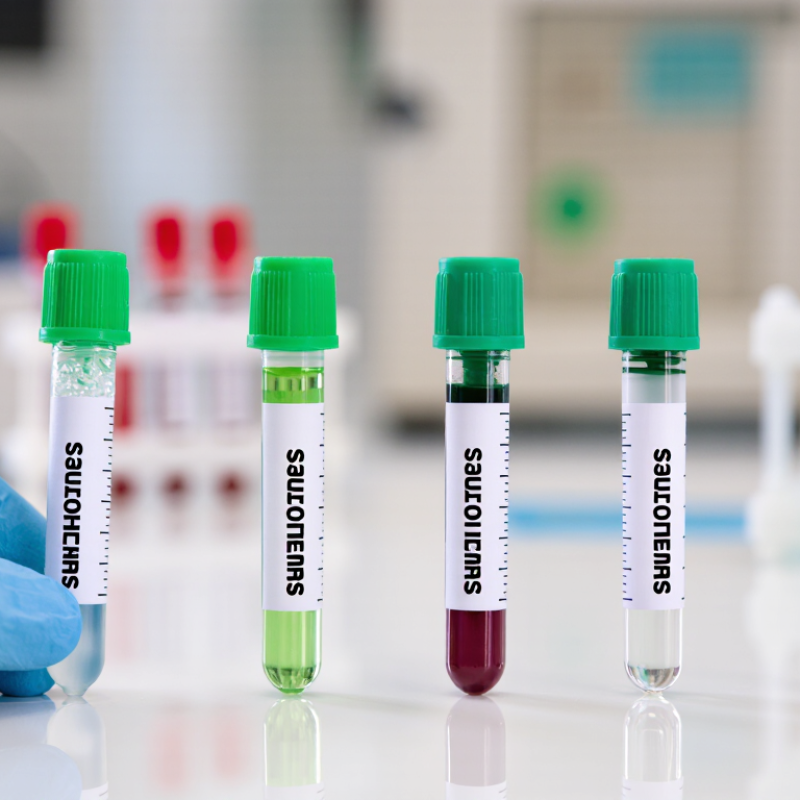
Heparin Tube Fundamentals: Lithium, Sodium, and Ammonium Heparin Types
What Are the Best Heparin Tubes for Blood Testing?
Heparin tubes are designed for plasma chemistry and selected urgent tests. Lithium heparin is usually the practical default because lithium adds less interference to electrolyte measurements. Sodium heparin can support plasma testing when sodium results are not the primary concern. Ammonium heparin is more specialized and requires caution. It can increase measured ammonia and distort interpretation. There is no universal winner.
Tube selection affects result quality. A widely cited review in Clinical Chemistry and Laboratory Medicine reports that preanalytical errors represent 46–68.2% of total laboratory errors. CLSI GP41 emphasizes correct tube identification, filling, mixing, and transport. These details matter. A gently inverted tube protects the specimen better than vigorous shaking, which may cause hemolysis. In practice, I have seen “routine” choices create avoidable electrolyte questions. That assumption is risky.
Tips: Match the anticoagulant with the requested analyte before collection. Avoid ammonium heparin for ammonia testing unless the laboratory method specifically validates it. Check the laboratory’s current test directory, because analyzer methods differ. Fill the tube to its stated volume and invert it immediately, usually 8–10 times. Do not use heparin plasma for coagulation studies unless the method explicitly requires it. Document collection time for unstable analytes. Small timing errors can matter. References: CLSI GP41, Collection of Diagnostic Venous Blood Specimens; Lippi et al., Clinical Chemistry and Laboratory Medicine, preanalytical error review.
What Are the Best Heparin Tubes for Blood Testing? — Heparin Tube Fundamentals: Lithium, Sodium, and Ammonium Heparin Types | Heparin Type | Typical Tube Identification | Primary Specimen | Commonly Suitable Testing Areas | Key Advantages | Important Limitations |
| Lithium Heparin | Usually green or light-green top; exact color may vary by laboratory system. | Heparinized plasma, including plasma separator tube specimens. | Routine clinical chemistry such as electrolytes, renal-function markers, liver-function markers, glucose, enzymes, and many other validated plasma assays. | Widely used for plasma chemistry because lithium generally causes less analytical concern than sodium or ammonium for many routine chemistry measurements. | Not appropriate when lithium measurement is required. The additive may also affect tests that are sensitive to anticoagulant-related matrix effects. |
| Sodium Heparin | Usually green top; exact color and labeling should be confirmed locally. | Heparinized whole blood or plasma. | Selected blood-gas, special chemistry, cytogenetic, and other validated applications where sodium contribution is acceptable. | Provides effective anticoagulation and can be useful when a sodium-containing anticoagulant is compatible with the requested assay. | May increase measured sodium or otherwise interfere with sodium-sensitive testing. It should not be selected for assays in which sodium contamination could bias results. |
| Ammonium Heparin | Color and labeling vary; the additive must be identified on the tube label or package insert. | Heparinized plasma or whole blood for specifically validated procedures. | Limited or specialized applications defined by the testing laboratory; use is less common than lithium or sodium heparin for routine chemistry. | Provides anticoagulation when an assay has been specifically validated for ammonium heparin. | Can introduce ammonium and is generally unsuitable for ammonia testing or other assays affected by ammonium contamination. Confirm laboratory validation before use. |
| Any Heparin Tube | Tube color alone is not sufficient for final identification. | Plasma or whole blood, depending on the assay and collection system. | Tests whose procedures specifically permit heparinized specimens and whose reference intervals are established for plasma or whole blood. | Heparin prevents clot formation by enhancing antithrombin activity, allowing relatively rapid plasma preparation. | It is not interchangeable with serum tubes. Residual fibrin, inadequate mixing, incorrect fill, contamination, or delayed processing can affect results. |
Practical selection rule: Lithium heparin is commonly preferred for routine plasma chemistry, sodium heparin is chosen only when sodium-related effects are acceptable, and ammonium heparin should be reserved for procedures specifically validated for that additive. Always follow the testing laboratory’s specimen requirements, tube instructions, required fill volume, mixing procedure, and processing time.
CLSI GP41 Collection Requirements for Heparinized Blood Samples
Choosing the best heparin tube depends on the intended test, specimen type, and laboratory validation. CLSI GP41 emphasizes that collection quality begins before venipuncture. Confirm the patient’s identity, review the test request, and select a tube with the correct heparin salt and concentration. Lithium heparin is commonly used for plasma chemistry, while sodium heparin may suit selected applications. They are not interchangeable for every method.
Use a clean venipuncture site and allow the tube to fill as required. An underfilled tube can change the blood-to-additive ratio. Immediately after collection, gently invert the tube about eight to ten times. Do not shake it. Shaking may create hemolysis, while insufficient mixing can leave small clots. I have seen both problems delay testing, even when the tube looked acceptable.
Keep specimens upright and follow the laboratory’s validated transport time and temperature. Centrifugation should match the test procedure, including clot-free plasma requirements and separation timing. Heparin tubes are not automatically suitable for blood-gas, trace-element, coagulation, or molecular testing. Some require specialized devices or different additives. A green cap alone does not prove compatibility. Check the current CLSI GP41 edition, local procedures, and the assay instructions before collection. One practical weakness remains: staff may memorize inversion counts but overlook patient posture, difficult draws, or delayed transport. Those details can affect results just as much.
Lithium Heparin Tubes for Routine Chemistry and Plasma Testing
What Are the Best Heparin Tubes for Blood Testing?
Lithium Heparin Tubes for Routine Chemistry and Plasma Testing
Lithium heparin tubes are commonly selected for routine chemistry and plasma testing. Their additive prevents clot formation by binding calcium in the blood sample. This allows laboratories to separate plasma quickly, often reducing turnaround time compared with serum testing. Plasma may support tests such as electrolytes, glucose, renal markers, and several enzyme measurements. However, the correct tube depends on the laboratory method and the requested assay.
Collection quality matters. Fill the tube to its intended volume, then gently invert it according to the laboratory’s procedure. Do not shake it. Vigorous mixing can cause hemolysis, which may distort potassium and enzyme results. A pale green or green-top tube can help identify the additive, but color standards vary between facilities. The label should always confirm the contents.
Timing is important. Samples should be processed within the validated period, with centrifugation performed under approved conditions. Delays may change analyte concentrations. Lithium heparin is not suitable for every test, including many coagulation studies and assays affected by anticoagulant interference. It may also be unsuitable when lithium measurement is required. Small details matter here. In practice, tube selection should follow the test directory, collection instructions, and current laboratory quality procedures. Some protocols differ, and that difference deserves checking rather than guessing.
Lithium Heparin Tubes for Routine Chemistry and Plasma Testing
Lithium heparin tubes are commonly used to obtain plasma for routine chemistry testing. Unlike serum samples, plasma collected in lithium heparin tubes does not require a clotting period before centrifugation, which can help reduce pre-analytical waiting time. Actual laboratory procedures and turnaround times may vary.
Sodium Heparin Tubes for Blood Gases, Metals, and Specialized Assays
Sodium heparin tubes are useful when laboratories need plasma or whole blood without clot formation. Their value is clearest in blood-gas workflows, metals testing, and specialized assays. For blood gases, collect gently and fill the tube adequately. Avoid vigorous shaking, because bubbles can shift oxygen and carbon dioxide results. CLSI guideline C46-A2 recommends prompt analysis, commonly within 30 minutes at room temperature. Delays may change pH, oxygen tension, and carbon dioxide values.
The tube is only one part of accuracy. Sodium heparin can add sodium and dilute analytes if the liquid anticoagulant is excessive. That matters when sodium, electrolytes, or low-level metals are measured. WHO’s Guidelines on Drawing Blood stresses correct tube selection, gentle mixing, and strict contamination control. For trace metals, laboratories should use certified low-contamination materials and validate lot performance. A clean-looking tube is not proof of a clean specimen.
Specialized assays require evidence, not habit. Confirm anticoagulant compatibility, specimen volume, transport temperature, and stability with the testing laboratory. Some immunoassays, molecular methods, and enzyme tests may show matrix effects in heparinized samples. The Clinical and Laboratory Standards Institute’s GP41 standard supports laboratory-defined collection procedures and documented acceptance criteria. This detail is often skipped. It should not be. Sodium heparin tubes can be an excellent choice, but only when the method has been verified for that tube, that analyte, and that workflow.
Centrifugation, Storage, and Stability Limits from ISO 6710 Guidance
The best heparin tube depends on the blood test, analyzer, and validated laboratory procedure. Lithium heparin is commonly selected for plasma chemistry, while sodium heparin may suit specific testing needs. ISO 6710 guidance supports suitable containers, correct additive identification, secure closure, and protection against contamination. It does not create one universal centrifugation or storage schedule for every assay.
Centrifuge only after gentle mixing and complete clot-free collection. Follow the tube manufacturer’s validated instructions for speed, time, and temperature. Excessive force can cause hemolysis, while delayed separation may change glucose, potassium, and enzyme results.
A cool, clean work surface helps, but refrigeration is not automatically safe for every analyte. Many plasma samples require prompt testing, and stability limits vary sharply between tests. That detail is easy to underestimate.
Tips
Check the fill volume and tube expiration date before collection. Invert gently; never shake. Record collection and separation times.
Keep samples upright and sealed during transport. If testing is delayed, use the laboratory’s documented temperature limits rather than habit.
ISO 6710 is a strong quality reference, but local validation still matters. A tube can meet a standard and still be unsuitable for a particular method. When results seem inconsistent, review centrifugation, storage duration, and sample appearance before blaming the analyzer.