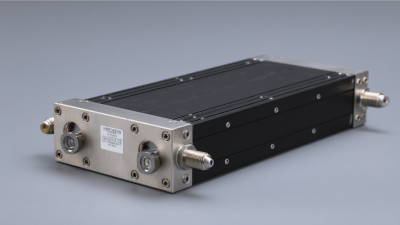
2026 Top Mobile C Arm Image Intensifier for Global Buyers?
As the medical imaging landscape evolves, the demand for advanced Mobile C Arm Image Intensifiers continues to grow. According to a recent market analysis from Grand View Research, the global market size for mobile C-arms is projected to reach $1.8 billion by 2026. The need for portable imaging solutions has driven manufacturers to innovate, enhancing image quality and ease of use.
Mobile C Arm Image Intensifiers are vital in surgical procedures. They provide real-time imaging, which is crucial for accuracy and safety. A study published in the Journal of Medical Imaging highlights that nearly 70% of hospitals now utilize these devices for a range of procedures, from orthopedic surgeries to pain management. This shift reflects a need for efficiency and better patient outcomes in a demanding healthcare environment.
However, the fast-paced evolution of this technology presents challenges. Some healthcare providers may struggle with integration and training. Additionally, reliability remains a concern as outdated models may fall short of modern imaging standards. Balancing innovation with practical implementation will be essential for maximizing the benefits of Mobile C Arm Image Intensifiers in clinical settings.
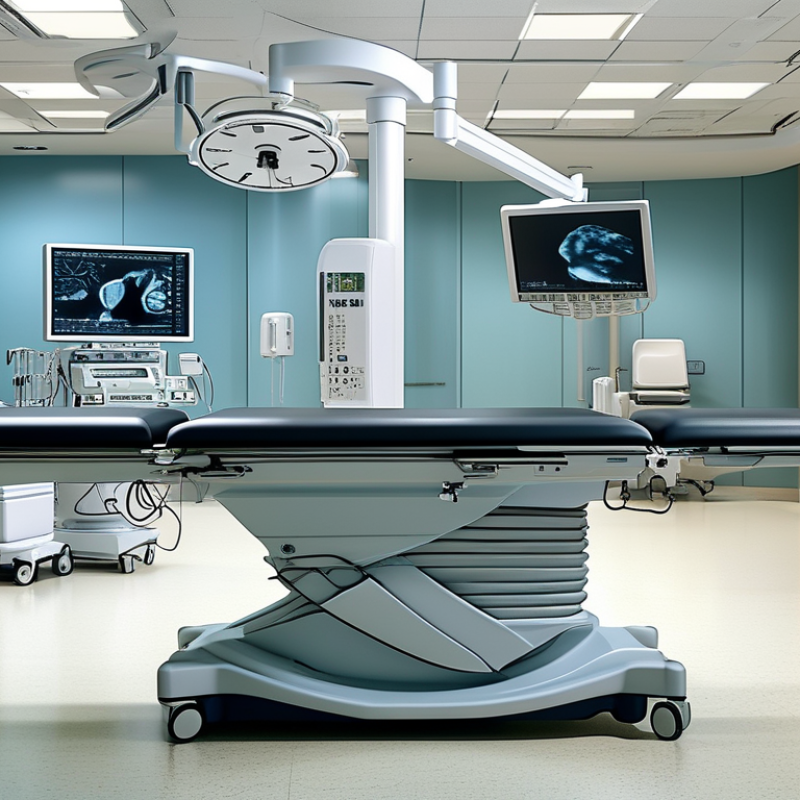
2026 Mobile C Arm Image Intensifier Market Overview and Trends
The mobile C-arm image intensifier market is evolving rapidly. In 2026, we expect substantial advancements in technology and design. Current devices focus on enhancing imaging quality while ensuring portability. Healthcare facilities are keen on acquiring mobile units for their convenience and versatility.
Trends indicate a shift towards more user-friendly interfaces and advanced imaging capabilities. Increased focus on integration with digital health records is noticeable. This integration could streamline workflows and enhance patient care. However, some facilities struggle with the adaptation process, often requiring more training for their staff.
Moreover, cost remains a significant barrier for many organizations. Some medical providers may opt for refurbished models, hoping to balance quality with budget constraints. This decision, while economically viable, raises questions about reliability and longevity. Balancing cost and innovation in the mobile C-arm sector is a common challenge that many healthcare providers must navigate.
Key Features and Specifications of Top Mobile C Arm Devices in 2026
Mobile C-arm devices are essential in modern medical imaging. These machines provide high-quality images during surgical procedures. In 2026, several key features set the best models apart.
One notable feature is improved imaging technology. Many devices now include advanced digital flat-panel detectors. This technology enhances image clarity, allowing for better diagnosis and treatment. Additionally, most C-arms have an adjustable arm length. This flexibility enables better positioning in various surgical environments. Enhanced mobility is another crucial aspect. Lightweight designs make it easier for medical teams to maneuver the device.
Another specification to consider is user interface design. Intuitive controls reduce the learning curve for operators. However, some users find that complexity in software can hinder quick adjustments during critical procedures. The balance between functionality and usability is an area for improvement. Furthermore, battery life remains a concern. Users may experience interruptions if the battery doesn’t last long enough. Thus, while advancements are impressive, there are always aspects warranting further refinement in functionality and user experience.
Analysis of Leading Manufacturers and Market Shares in C Arm Imaging
In the evolving landscape of medical imaging, C-arm devices stand out for their versatility. Their real-time imaging capabilities are crucial for surgeries. Buyers must evaluate various manufacturers to make informed decisions. Market shares can indicate product reliability and innovation.
It is essential to look at the imaging quality offered by different manufacturers. Some devices may perform better in specific imaging situations. A comprehensive comparison can reveal these distinctions. Users often struggle to find reliable data. Third-party reviews and case studies can aid in understanding the technologies available.
Selecting a C-arm requires thorough research. Speak with healthcare professionals who have experience with various models. They can provide insights that raw data might overlook. Consider the long-term support and service offered by manufacturers. Reliable customer service can make a significant difference in operational efficiency.
Impact of Technological Innovations on Mobile C Arm Imaging Solutions
Technological innovations are driving change in mobile C arm imaging solutions. These devices are vital in surgical settings. They provide real-time imaging, enhancing precision during procedures. The latest advancements focus on better image quality and portability. Enhanced detectors and improved imaging software play a significant role. These developments allow for clearer visuals and reduce radiation exposure.
However, challenges remain in integrating these technologies into existing workflows. Medical staff need training to adapt to new features. The initial costs can also be a barrier for some facilities. While advanced imaging solutions promise better outcomes, they require careful implementation. Each facility must assess its needs before upgrading.
Feedback from users underscores the importance of reliability in new devices. A mobile C arm must function efficiently under various conditions. Innovations should not compromise the efficiency of the surgical team. Continuous evaluation of these technologies ensures they meet the needs of both doctors and patients. The balance between innovation and practicality is essential for successful adoption.
Global Demand and Adoption Rates for Mobile C Arm Systems in Healthcare
The global demand for mobile C arm systems in healthcare has seen significant growth in recent years. According to a recent industry report, the market is projected to reach over $1.2 billion by 2026, reflecting an annual growth rate of approximately 7.5%. This surge is driven by various factors, including an increasing emphasis on minimally invasive surgical procedures and the growing need for improved imaging solutions in emergency and outpatient settings.
Mobile C arms offer advantages in flexibility and real-time imaging. They are essential for various applications, such as orthopedics, vascular procedures, and interventional radiology. Despite their benefits, some healthcare facilities struggle with the integration and training associated with these systems. Reports indicate that 40% of facilities recognize the challenges related to staff training and system maintenance. Addressing these issues is crucial for maximizing the potential of mobile C arms.
Healthcare providers should prioritize proper training for staff. Effective training enhances the skills needed for optimal system usage. Regular maintenance checks are also vital. They help prevent downtimes and ensure the equipment operates effectively. Considerations like these will support the successful adoption of mobile C arms in healthcare settings.